
Table of Contents
ToggleMoorea: the Magical Sister Island of the South Pacific
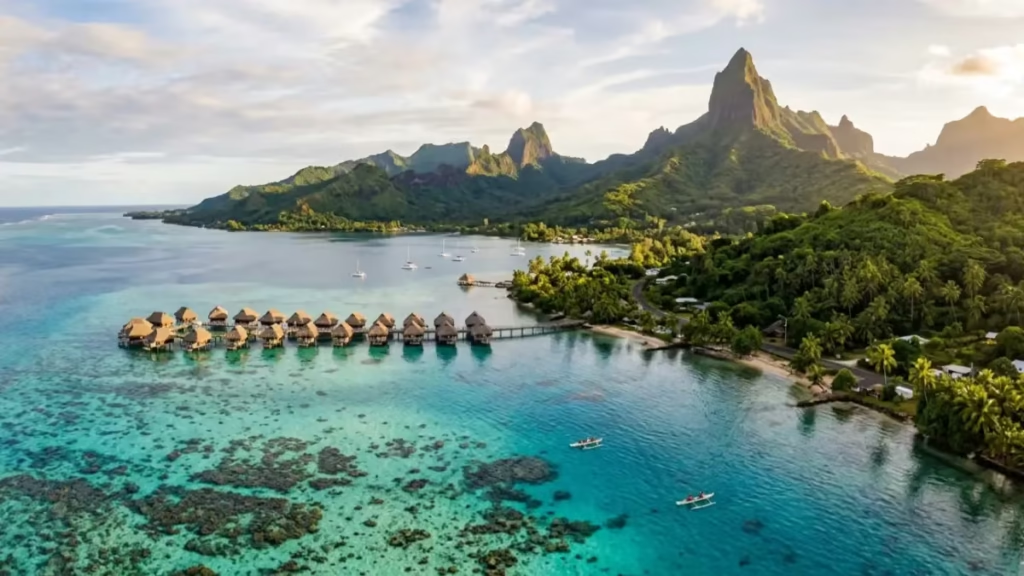
Just a stone’s throw from Tahiti lies Moorea, an island shaped like a heart and draped in emerald green. Known for its jagged volcanic peaks, vast pineapple plantations, and crystal-clear bays, Moorea offers a more laid-back, “island-time” vibe than its bigger sister. Whether you’re swimming with stingrays or hiking through ancient forests, Moorea is a mandatory stop on any French Polynesian itinerary.
Geography & History: Nature’s Masterpiece
Geography:
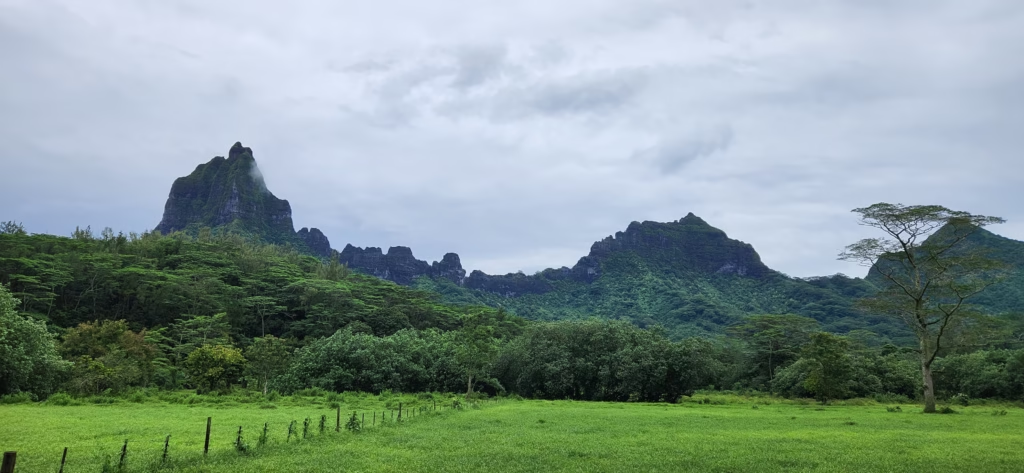
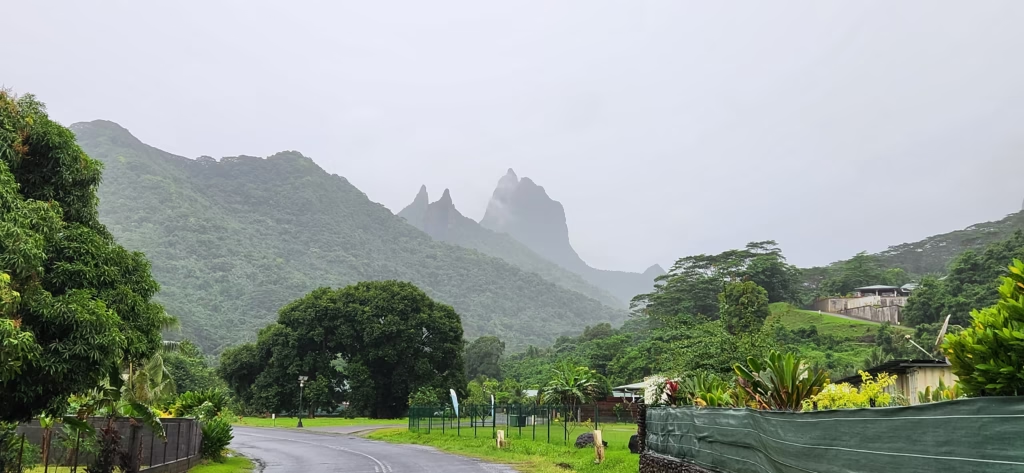
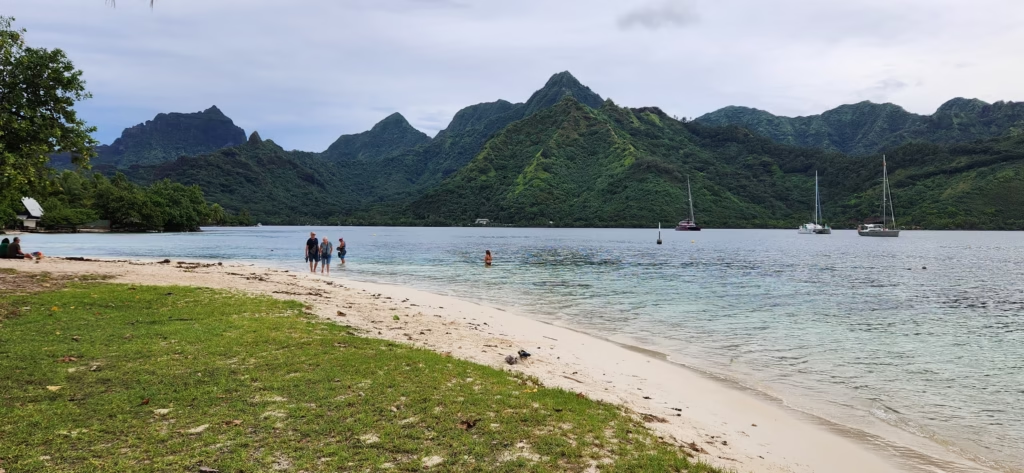
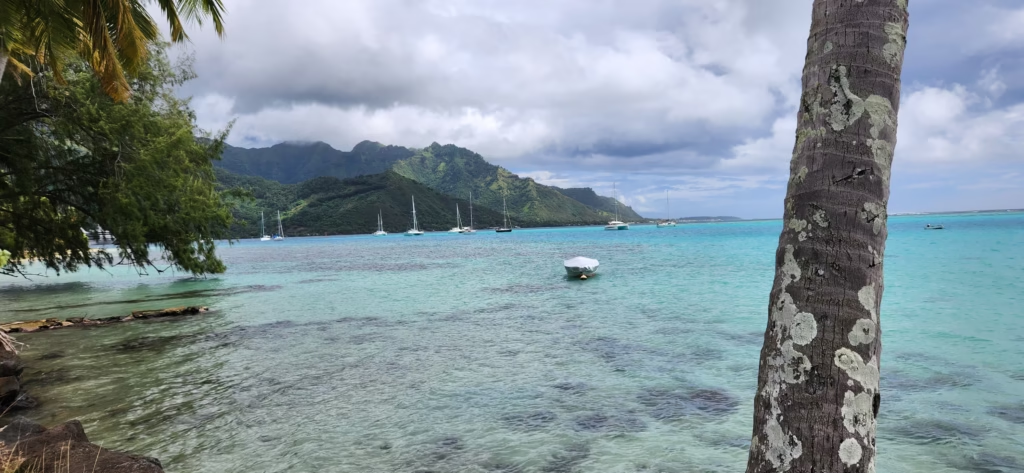
Located only 17km (10 miles) west of Tahiti, Moorea is part of the Society Islands. It is famous for its two deep, symmetrical bays: Cook’s Bay and Opunohu Bay. The island’s highest point is Mount Tohivea, standing at 1,207 meters.
History:
Legend says Moorea was formed from the tail of a great fish. Historically, it was a stronghold for the Oropaa clan. It became a center for Protestant missions in the early 1800s and today remains a cultural hub for traditional Tahitian arts.
Getting There & Best Time to Travel
How to Get There:
- To get to Moorea from Tahiti, there are two main methods. The cheaper option is to take the ferry, which is operated by two main companies. The faster crossings are with Aremiti and Terevau, taking approximately 30 minutes, while the other option takes about an hour with Vaeara’i, costing around US$15.
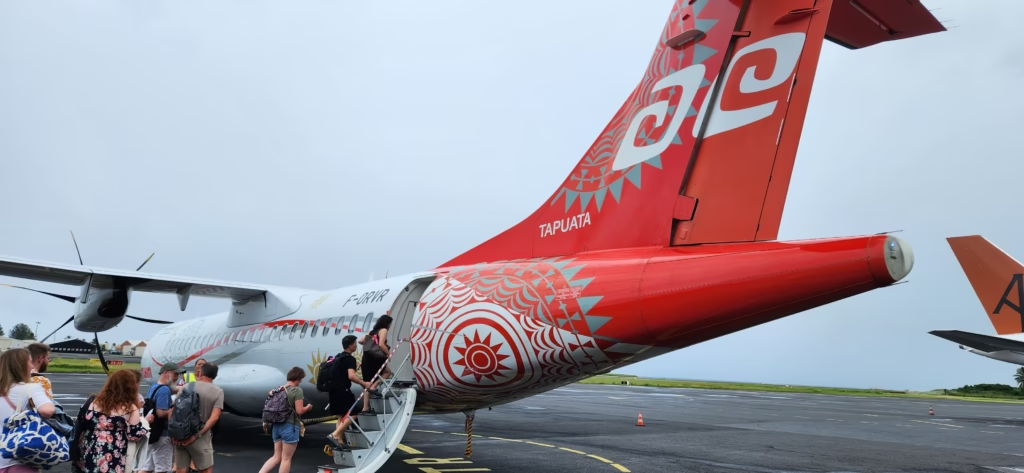
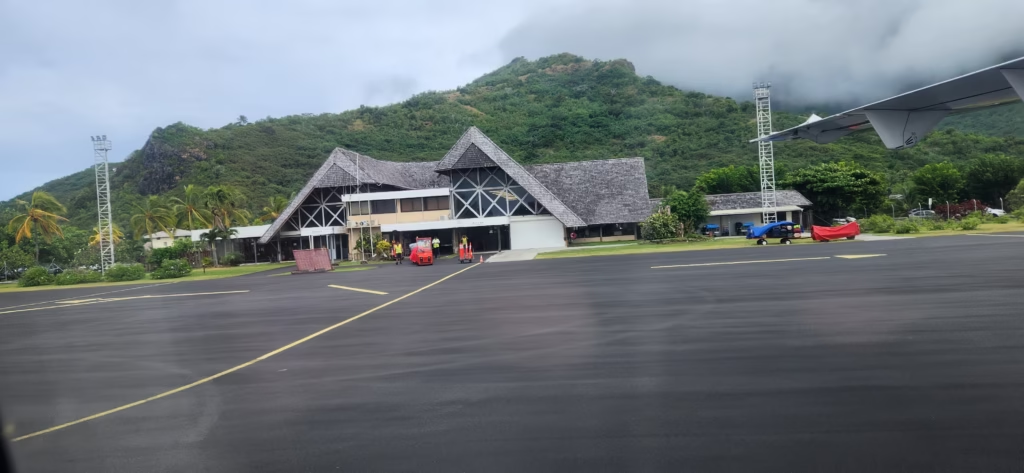
- The second option is to travel by airplane, which is serviced by two local airlines: Air Tahiti and Air Moana. I personally chose Air Tahiti for two main reasons: they offer a higher frequency of flights, and they provide a multi-island pass if you plan to visit more than one destination. Since I was visiting five islands in total, I purchased the Maeva Pass for US$615. The service with Air Tahiti was excellent, and I can highly recommend them.
You can take a 30-50 minute ferry from Papeete (Vaeara’i or Terevau) for about $24 USD round-trip. Alternatively, a 15-minute flight from Tahiti (PPT) is available for a more scenic entry.
- Best Time: The dry season from May to October is ideal. July and August are the peak months with the best weather for snorkeling and hiking.
Accommodations & Daily Budget (Average Traveler)
- Accommodations:Expect to pay $150–$300 USD per night for a mid-range hotel or a beautiful seaside villa.
- Daily Budget:Aside from lodging, an average traveler should budget $130–$160 USD per day for food, a rental vehicle, and one organized activity.
- Food Budget:Budget approximately $60–$80 USD per day. You can save money by eating at local “Roulottes” (food trucks) where meals are often under $20 USD.
While on Moorea, I stayed at the Moorea Chill and Beach Lodge, which is conveniently located close to the airport. It was incredibly clean, and the rooms come equipped with your own private shower and air conditioning. There is also a common kitchen area available if you prefer to cook your own meals. The owner is very kind and helpful, and the pension sits very close to the beach.
Transportation & Duration
- Transportation: Renting a car or a scooter is highly recommended as there is no reliable public bus system around the island’s 120km perimeter road.
Moorea is rugged, so having your own wheels is almost essential here to reach the viewpoints.
Moorea island has a perimeter of about 120 kilometers, and renting a car is definitely the best option. However, if you travel during the peak months of July or August, renting a scooter can be a great, budget-friendly alternative. Car rentals in Moorea can be quite expensive, averaging around XFP 9,000 per day (US$90). I used the Manava Car Rental company; they provided very good service, dropping the vehicle off directly at my pension and driving me back to the airport on the day I returned it. The required security deposit is quite high, but you can negotiate the final deposit amount with them.
- Scooter & Roadster Rentals: Moorea is the most popular island for renting scooters or “Bugsters” (open-top 2-seater cars). It’s a fun way to feel the tropical breeze while heading to the Belvedere Lookout.
- The “Ferry Bus”: There is a public bus that specifically meets the ferries at the Vaiare wharf to take passengers to the main hotel districts.
- Bicycles: Possible, but be aware that the road is narrow and can be busy near the ferry terminal.
- How Many Days:You should spend at least 3 days in Moorea to see both the lagoon and the mountainous interior.
What to Do in Moorea
Main Tourist Attractions
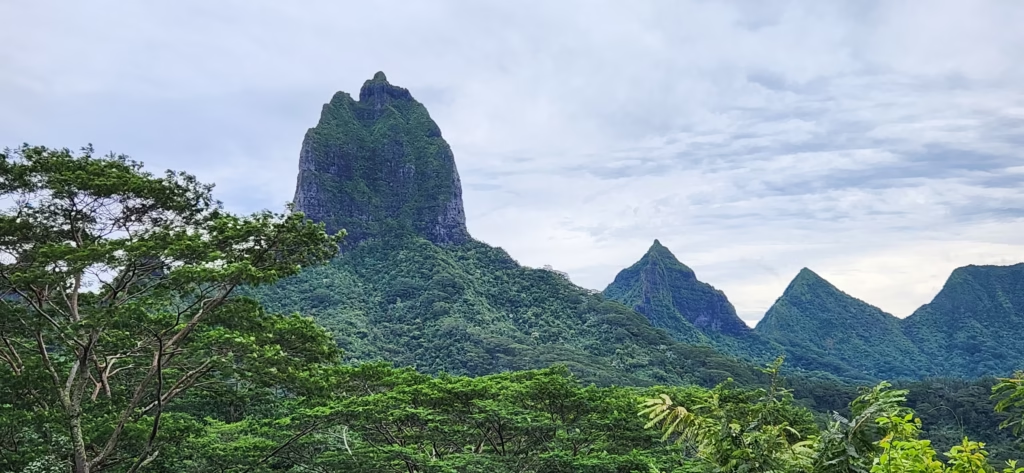
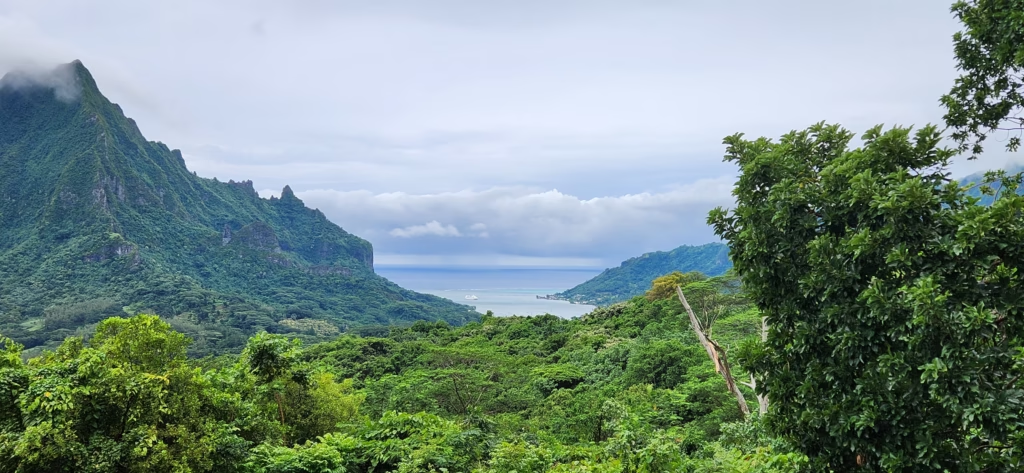
Belvedere Lookout:The most famous view in French Polynesia, overlooking both Cook’s and Opunohu Bays.
- History: This site sits near the ancient agricultural center of the Opunohu Valley. The surrounding forest contains dozens of marae (ancient stone temples), such as Marae Titiroa, which date back hundreds of years and served as the spiritual and political heart of the island before European contact.
- Geography: Located at the center of the island’s ancient volcanic crater, it offers a symmetrical view of Mt. Rotui, which separates the two deep-water bays.
- How to Get There: You can drive a rental car or scooter up a paved, winding road through the Opunohu Valley. It is also a popular stop for 4×4 safari tours.
Magic Mountain
A steep climb (or 4×4 tour) leading to a breathtaking 360-degree view of the island.
- History: This peak is part of the jagged ridge that forms the island’s high interior. For generations, these high points served as lookout stations for islanders to spot incoming canoes—whether friendly traders or rival warriors.
- Geography: It is one of the highest accessible points on the outer rim. The “Magic” refers to the optical illusion of the 360-degree view, where the turquoise lagoon seems to wrap entirely around the emerald peaks.
- How to Get There: The path is extremely steep and located on private land. Access is best achieved via a 4×4 guided tour or by paying a small fee at the base to hike it on foot (requires high fitness).
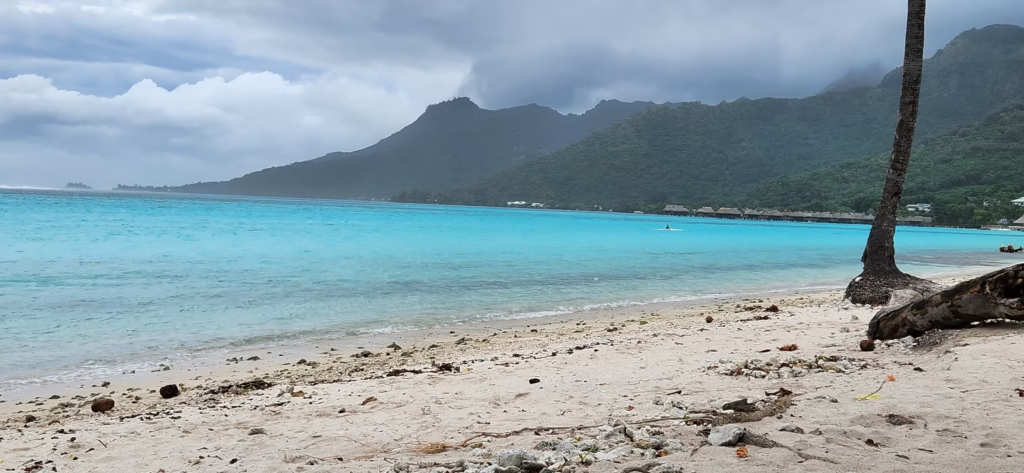
Tiki Village Cultural Centre
The best place to see traditional fire dancing and learn about Polynesian crafts.
- History: Created over 30 years ago, Tiki Village was designed to preserve the “Old Polynesia” that began to fade with modernization. It was built using traditional materials and techniques to act as a living museum for tattooing, weaving, and the Tamure (traditional dance).
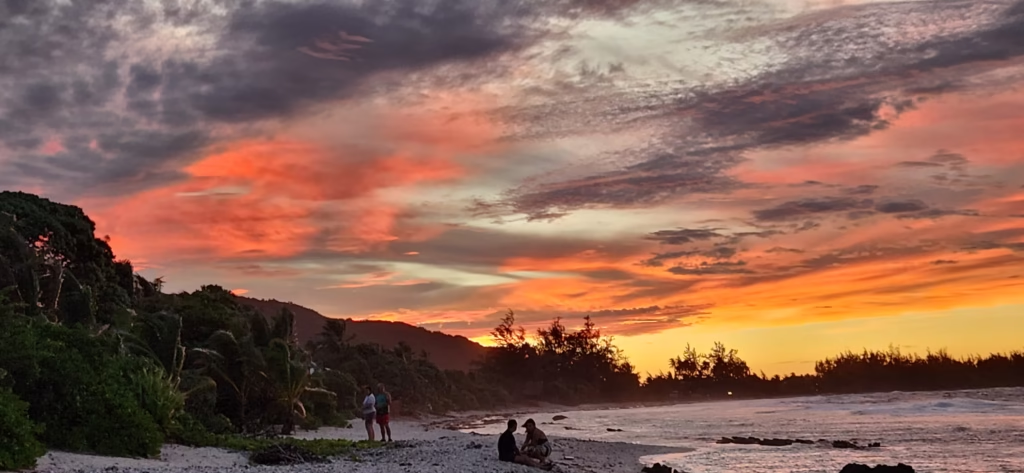
- Geography: Situated on the western “sunset” coast of Moorea in Haapiti, it sits on a beautiful stretch of white sand beach that provides a natural stage for evening fire performances.
- How to Get There: It is easily accessible via the main coastal road. Many hotels offer shuttle services specifically for the evening dinner shows.
During my visit, the famous Tiki Village was unfortunately closed. However, I found a very good restaurant in the little village nearby that features a wonderful group of local musicians playing every Sunday.
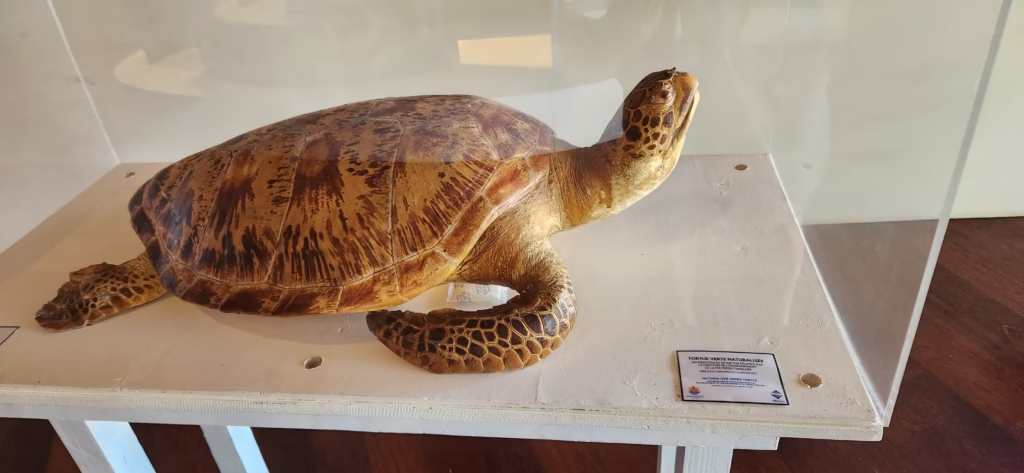
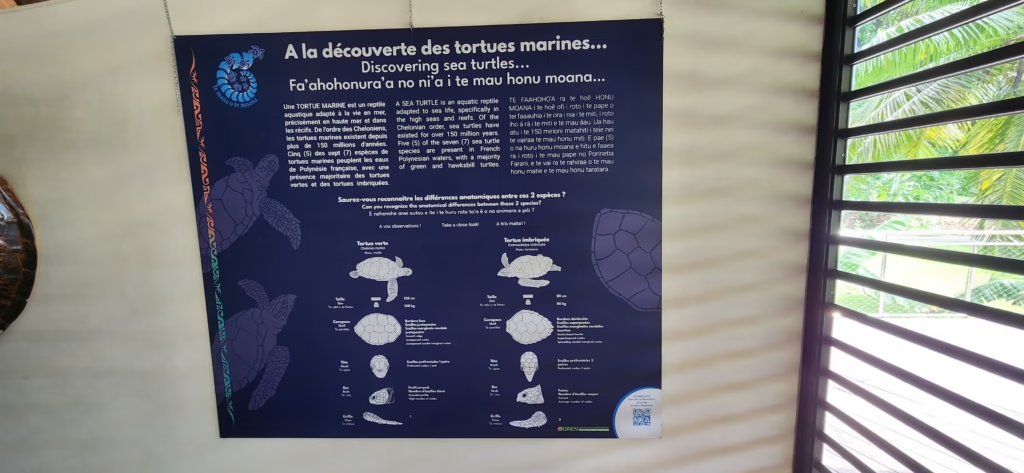
Tera Natura Muesum
History & Concept
- Origin: Founded in 2012 from an initiative by researchers at the Centre de Recherches Insulaires et Observatoire de l’Environnement (CRIOBE). It officially opened its doors to the public in July 2021.
- Mission: Operated by the École Pratique des Hautes Études (EPHE-PSL), the museum serves as a bridge between scientific research and the public. It aims to showcase Polynesian culture alongside its land and marine biodiversity.
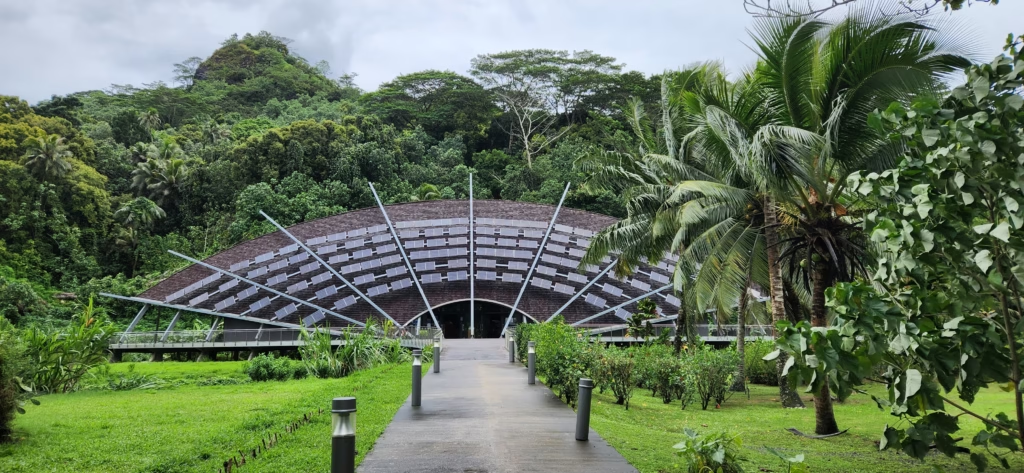
- Architecture: The building itself is an eco-inspired, bioclimatic masterpiece designed by Rougerie+Tangram. Its shape mimics both a traveler’s tree and a seashell. It uses natural ventilation from an 18-meter-high nave to stay cool without traditional air conditioning, and solar panels power most of its energy needs.
Schedules & Opening Hours
- Operating Days: Open Tuesday through Sunday (Closed on Mondays).
- Hours: 9:00 AM – 4:00 PM.
- Note: Last entry is allowed at 3:00 PM. The average self-guided or guided visit takes approximately 1 to 1.5 hours.
Entrance Fees & Pricing
- International Adults: 2,100 XPF (~$19 USD)
- Local Residents & Mainland France Adults: 1,600 XPF
- Children (under 10 years old): Free
- Youth (ages 11–17) & Students: 500 XPF
- Visitors with Reduced Mobility (and their guide): 400 XPF per person
- Bonus: Standard general admission includes a complimentary 45-minute guided tour by local guides (subject to daily availability).
📍 Practical Highlights
- Location: Situated at PK 18 at the mouth of Opunohu Bay. Free parking is available for guests.
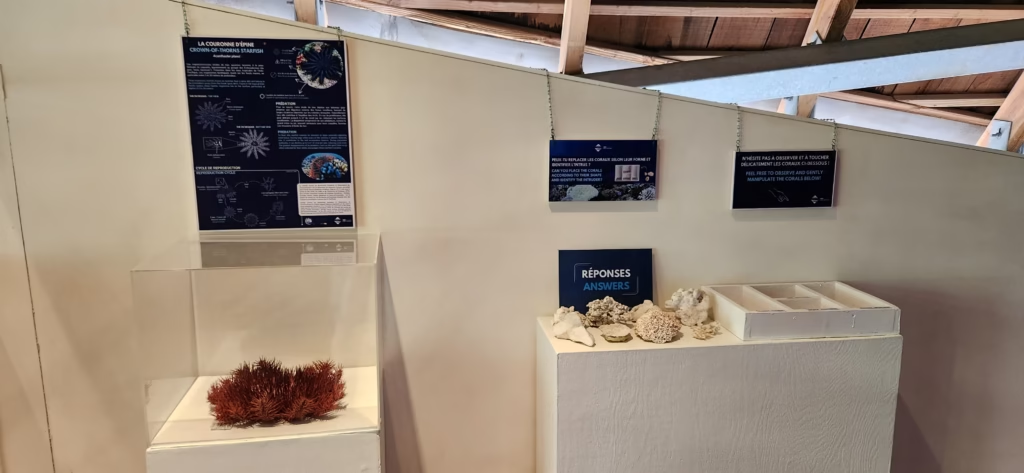
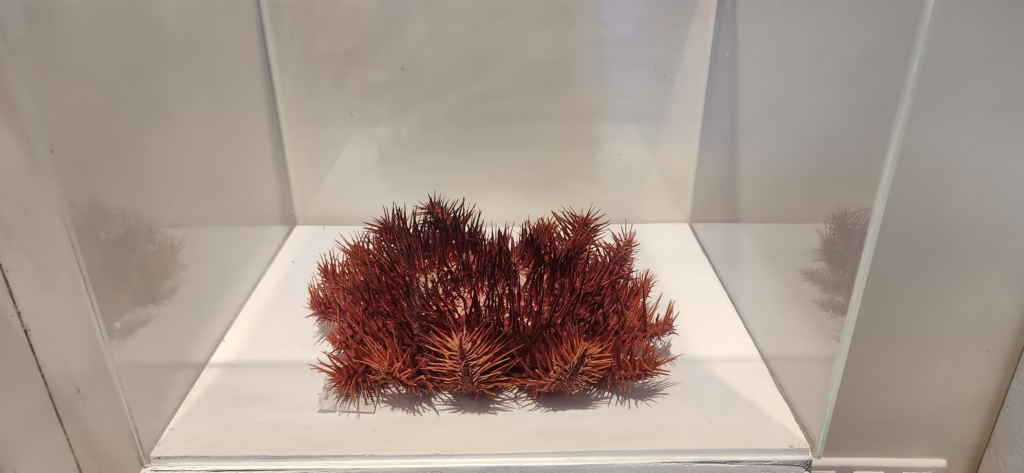
- Inside the Museum: Exhibits feature aquariums, interactive virtual reality headsets, a 270-degree projection room, and educational games designed to explore the South Pacific ecosystems.
Lagoonarium (Motu Ahi)
- Snorkel in a “natural aquarium” surrounded by stingrays, sharks, and tropical fish.
- History: Motus (small islets) like Motu Ahi have historically been used by Polynesians as fishing outposts and places of refuge. The Lagoonarium concept was developed to allow visitors to interact with marine life in a protected, natural environment rather than a tank.
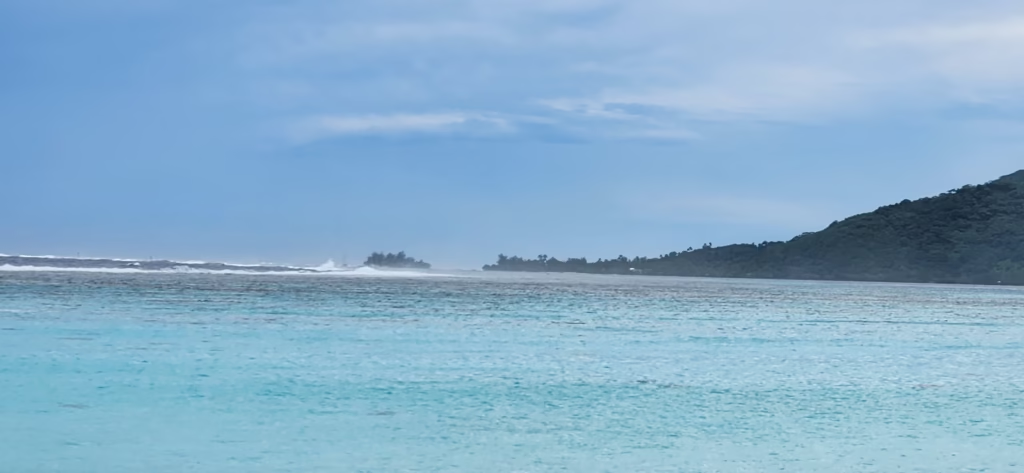
- Geography: A small islet located on the eastern barrier reef near Afareaitu. The shallow, crystal-clear waters here create a natural “hallway” where the current brings in a high density of marine life.
- How to Get There: You must take a short boat transfer (usually 5 minutes) from the “Lagoonarium” landing pier located on the main road in Afareaitu.
The Pineapple Route & Juice Factory
Drive through the lush interior plantations and visit the Juice Factory for local tastings.
- History: While pineapples aren’t native (they were introduced in the 1800s), they became Moorea’s most successful export. The Rotui Juice Factory was established in 1981 to support local farmers, turning the island into the “Pineapple Capital” of French Polynesia.
- Geography: The route winds through the interior of the Opunohu Valley, where the volcanic soil is exceptionally fertile and the high crater walls provide the perfect humid microclimate for the “Queen Tahiti” pineapple variety.
- How to Get There: The Pineapple Route is an unpaved interior loop accessible by 4×4, ATV, or sturdy mountain bikes. The Juice Factory is located on the coastal road at the head of Cook’s Bay and is a standard stop for any island tour.
Itinerary suggestion
Duration | Itinerary Focus | Highlights |
3 Days | Moorea Highlights | Day 1: Ferry arrival, Belvedere Lookout & Pineapple fields. Day 2: Lagoon tour (sharks & rays). Day 3: Relax at Temae Beach before departure. |
4 Days | Adventure & Culture | Add Day 4: 4×4 tour to Magic Mountain and an evening dinner show at Tiki Village. |
5 Days | The Full Experience | Add Day 5: Hiking the “Three Coconut Trees Pass” or a day trip to the private Coco Beach motu. |
Discover more from planetgateaway.com
Subscribe to get the latest posts sent to your email.