
Table of Contents
ToggleCarcassonne: Explore Europe’s Largest Medieval Fortress City
Little History
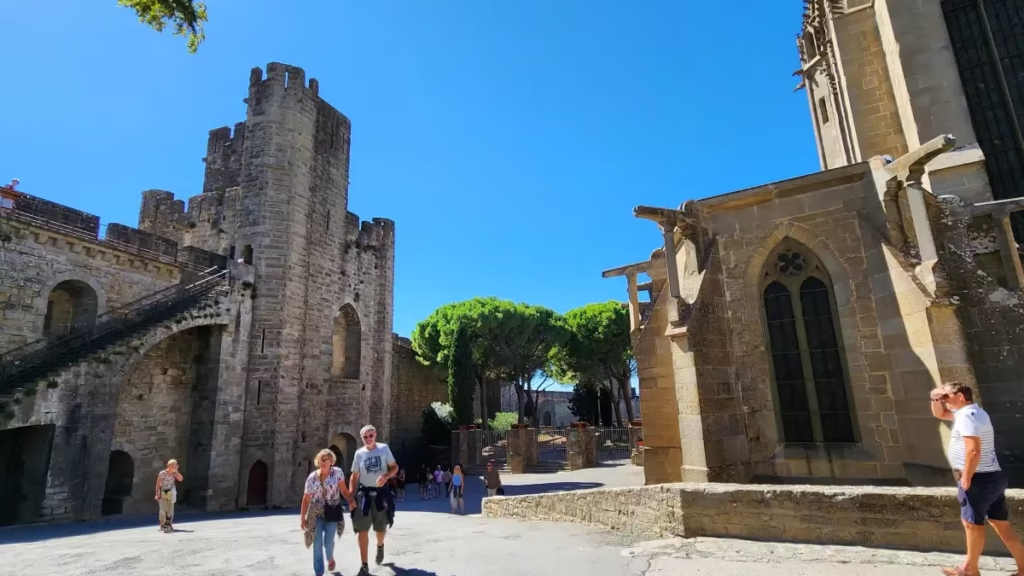
Perched majestically on a hill overlooking the Aude River valley in the Occitanie region of southern France, Carcassonne is a living monument to medieval military architecture. Its history stretches back over 2,500 years, beginning as a fortified hill settlement before becoming an important Roman stronghold.
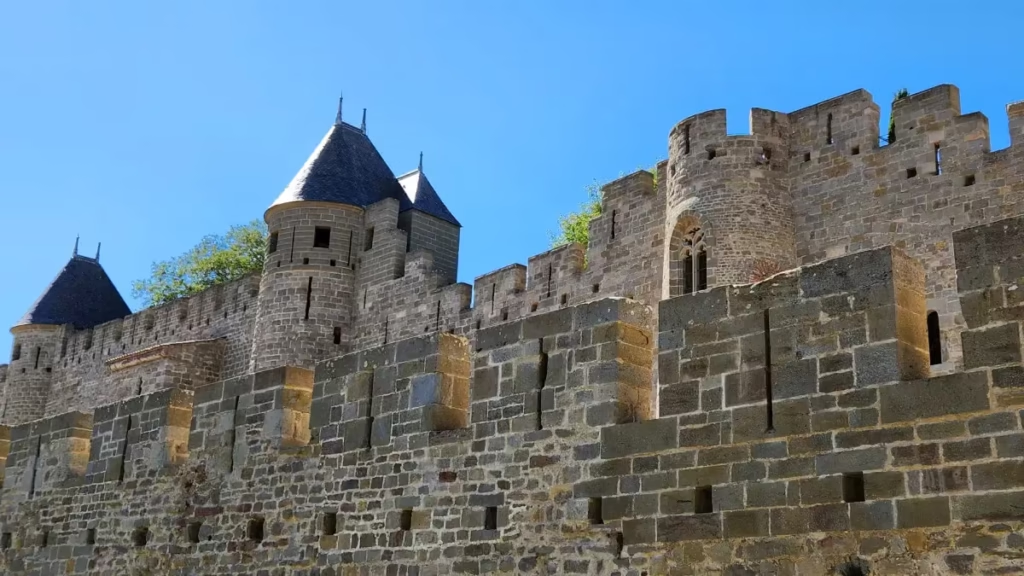
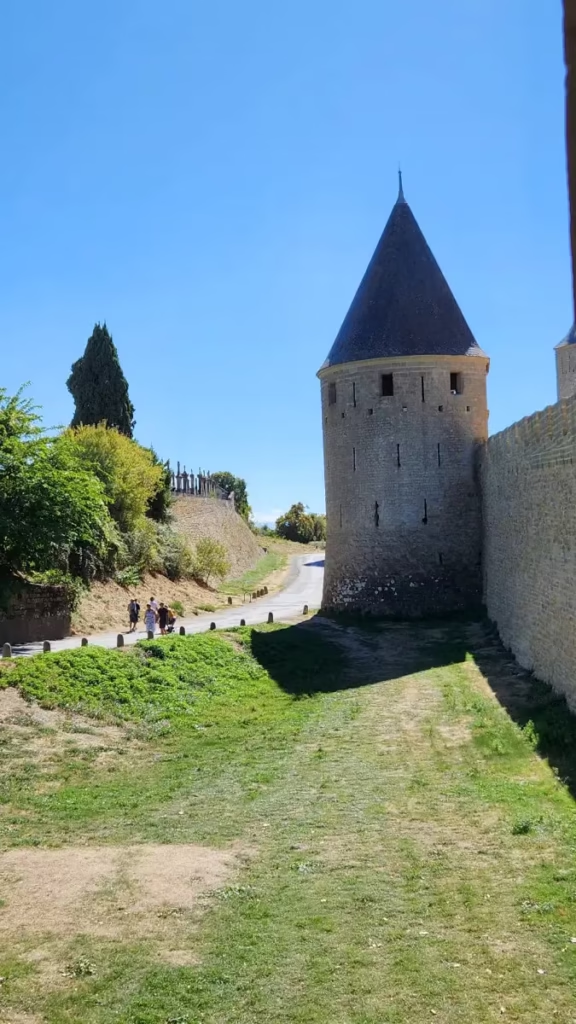
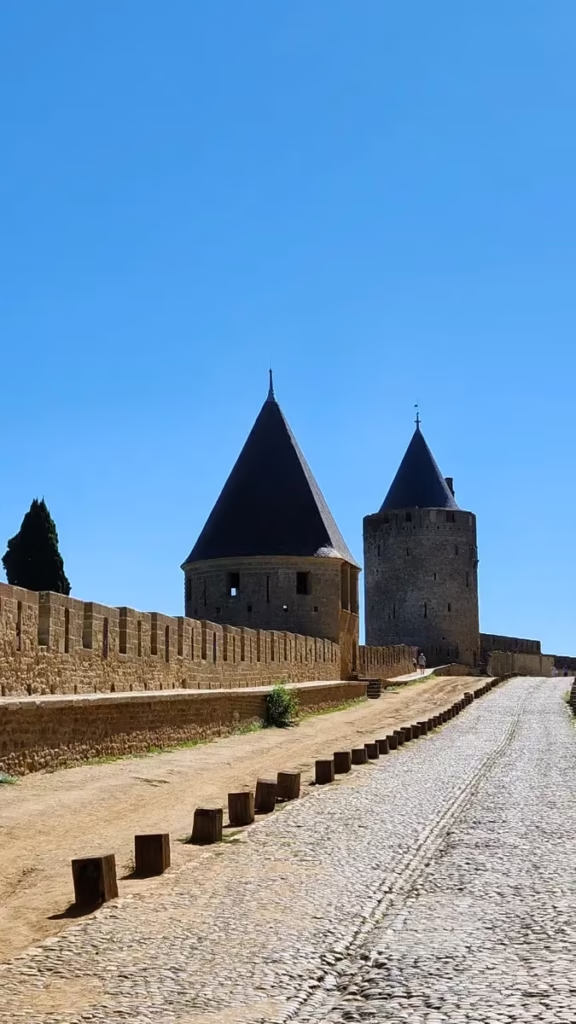
The city reached the height of its medieval glory under the powerful Trencavel viscounts in the 12th century, only to become infamous during the Albigensian Crusade when it fell to Simon de Montfort in 1209. Transformed into a royal fortress by the French monarchy, it gained its legendary double-walled stone ramparts and 52 watchtowers.
By the 19th century, the citadel had fallen into severe disrepair and was slated for demolition, but a passionate preservation campaign led by local archeologist Jean-Pierre Cros-Mayrevieille and architect Eugène Viollet-le-Duc saved and restored it. Today, this UNESCO World Heritage site stands as the quintessential fairytale medieval city.
City Essentials
- Best Time to Visit: Spring (May to June) and Autumn (September to October) provide fantastic weather with fewer crowds, making it much easier to explore the ramparts and cobblestone streets.
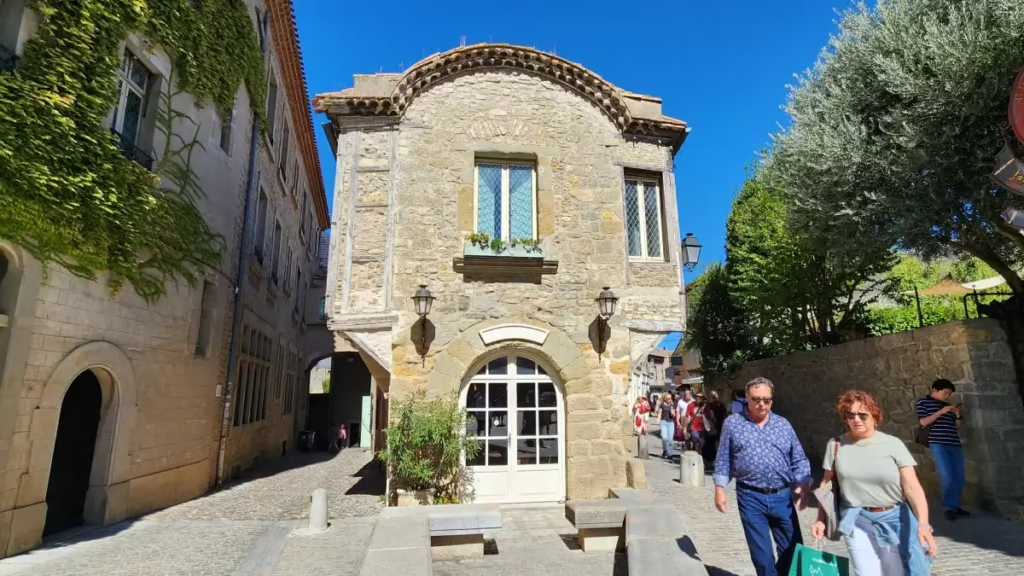
- Layout: Carcassonne is divided into two distinct parts separated by the Aude River: the upper medieval walled citadel (La Cité) perched on the hill, and the lower commercial town (Ville Basse or Bastide Saint-Louis).
- Tourist Office: Located just outside the Narbonne Gate of La Cité and in the lower town, offering comprehensive walking maps, tour schedules, and regional excursion advice.
Budget and Planning
- Daily Budget:
- Budget Traveler: €65 – €95 per day (staying in lower town guesthouses or hostels, enjoying bakery breakfasts, casual café lunches, or self-catering).
- Mid-Range Traveler: €130 – €220 per day (charming boutique hotel, sit-down dinners at traditional bistros, and paid site entries).
Trip Duration: 2 to 3 days is ideal to fully explore the massive medieval citadel, visit the lower bastide town, and take a leisurely stroll along the Canal du Midi.
Transportation and Public Transportation, How to Get There
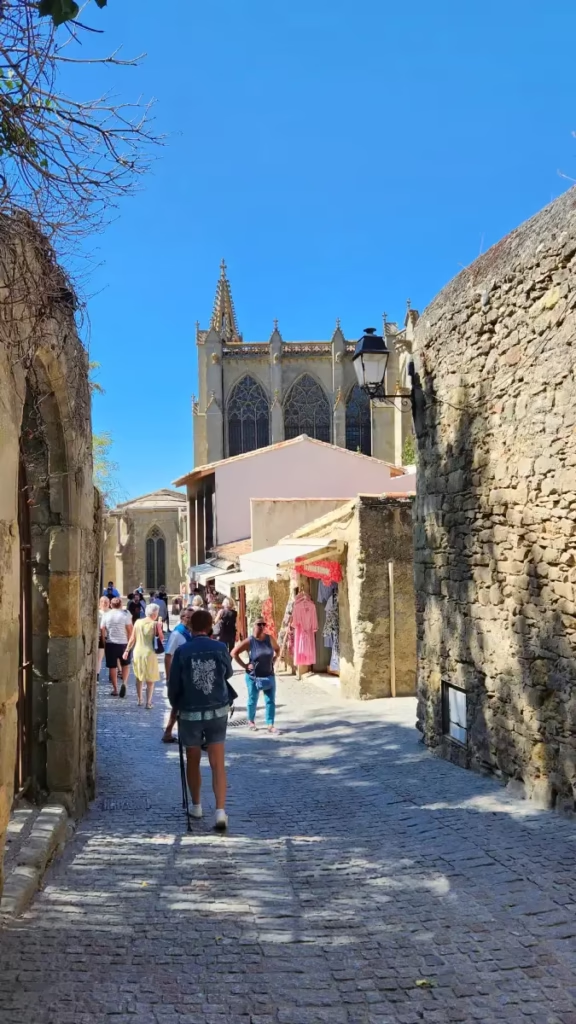
- On Foot: The historic medieval citadel (La Cité) is strictly pedestrianized and best explored entirely on foot. Walking shoes with good traction are essential for navigating the steep, uneven cobblestone lanes.
- Public Transportation: A local bus network (RTCA) connects the lower town (Ville Basse) directly to the medieval citadel via regular shuttle lines.
- By Train: Carcassonne’s railway station (Gare de Carcassonne) is conveniently located in the lower town, offering direct, daily train connections to Toulouse, Montpellier, and Marseille.
- By Car: Renting a car is great for exploring the surrounding Cathar castles and vineyards of the Languedoc region. Carcassonne sits directly on the A61 motorway, roughly 1 hour east of Toulouse and 1.5 hours west of Montpellier.
What to Visit and What to Do
The Ramparts and Castle (Château Comtal):
- Walk along the double ring of medieval stone walls and explore the 12th-century Count’s Castle, which features defensive towers and a fascinating historical museum.
Basilica of Saints Nazaire and Celsus:
- Step inside this stunning church within the citadel to admire its magnificent stained-glass windows and a striking blend of Romanesque and Gothic architecture.
The Bastide Saint-Louis (Lower Town):
- Cross the Old Bridge (Pont Vieux) to explore the grid-patterned lower town, featuring lively squares like Place Carnot and bustling morning markets.


The Canal du Midi:
- Take a peaceful stroll, rent a bicycle, or book a relaxing boat cruise along this historic UNESCO-listed canal that passes directly through Carcassonne.
Medieval Spectacles:
- If visiting during summer, catch the spectacular jousting tournaments and historical reenactments hosted inside the citadel’s lists (les lices).
Food with Some Restaurants Suggestion
Carcassonne and the surrounding Aude department are famous for hearty, rustic Occitan cuisine. The definitive local specialty is Cassoulet, a rich, slow-cooked casserole made with white beans, duck confit, and local pork sausages. Pair your meals with robust regional wines from the Corbières or Minervois appellations.
Suggestions of Restaurants:
- Adélaïde – A wonderful, intimate bistro located inside La Cité serving refined regional dishes and exceptional cassoulet.
- Le Comte Roger – A gourmet dining establishment within the medieval walls offering high-end interpretations of traditional southwestern French classics.
- La Marquise – A cozy, welcoming spot in the historic center ideal for enjoying local flavors and friendly service.
- Brasserie Le Dôme – Located in the lower town near Place Carnot, perfect for a relaxed meal, local wines, or a classic French café lunch.
Discover more from planetgateaway.com
Subscribe to get the latest posts sent to your email.
One Response