
Table of Contents
ToggleCahors Travel Guide: Discover the Historic Heart of Malbec and the Lot Valley
Little History
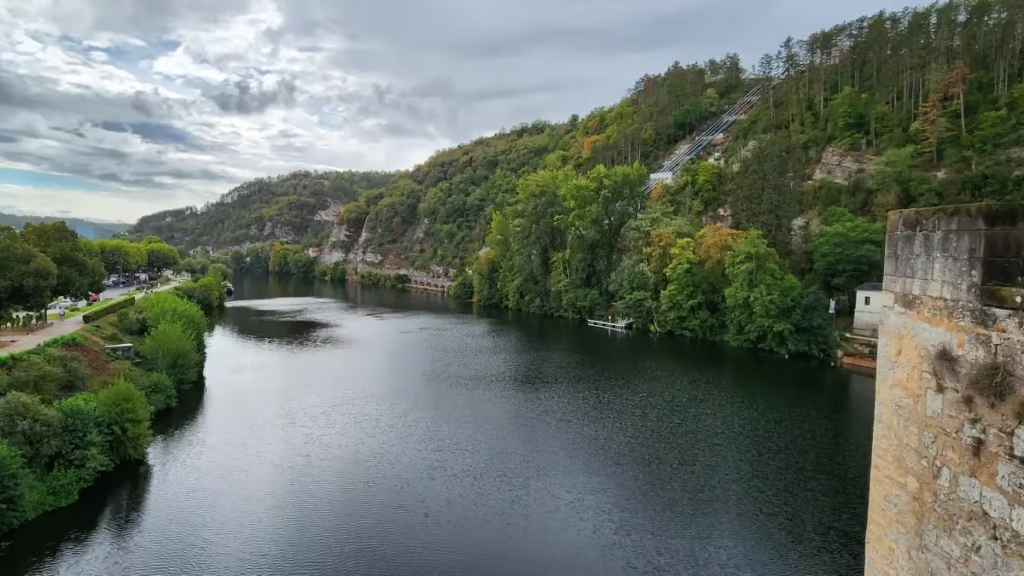
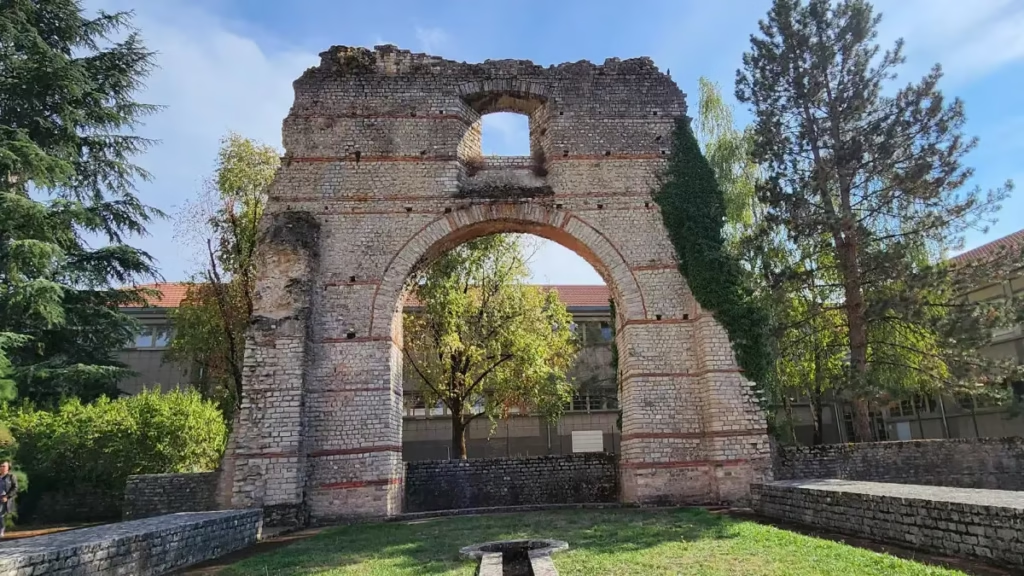
Nestled within a dramatic, horseshoe-shaped loop of the Lot River in southwestern France, Cahors boasts a rich history spanning over 2,000 years. Founded by the Cadurci Celtic tribe before becoming a flourishing Roman city known as Divona Cadurcorum, it grew into a major economic and intellectual center during the Middle Ages. Fueled by the immense success of its famous dark, robust red wine—historically praised by tsars, popes, and kings—the city became fabulously wealthy.
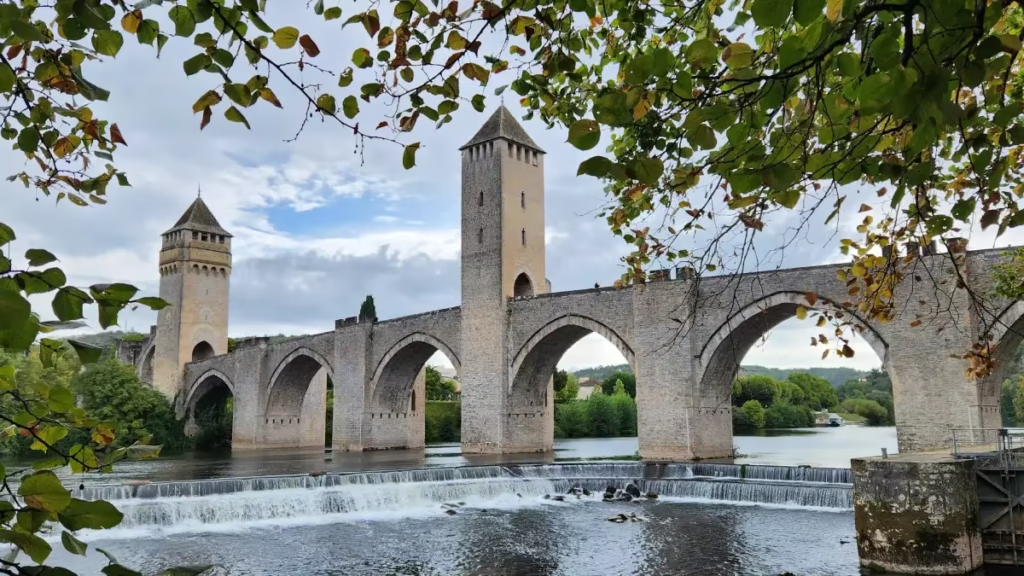
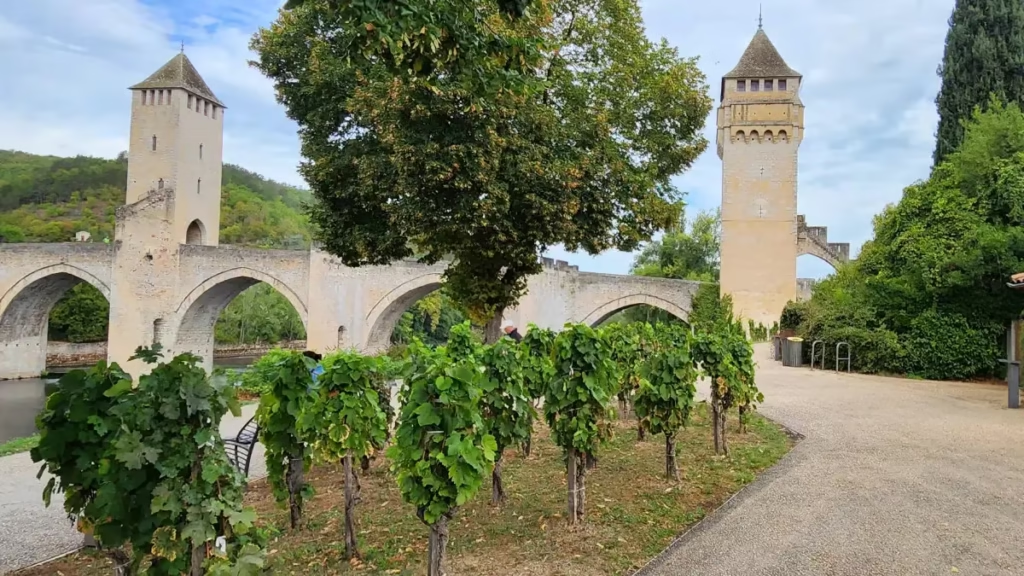
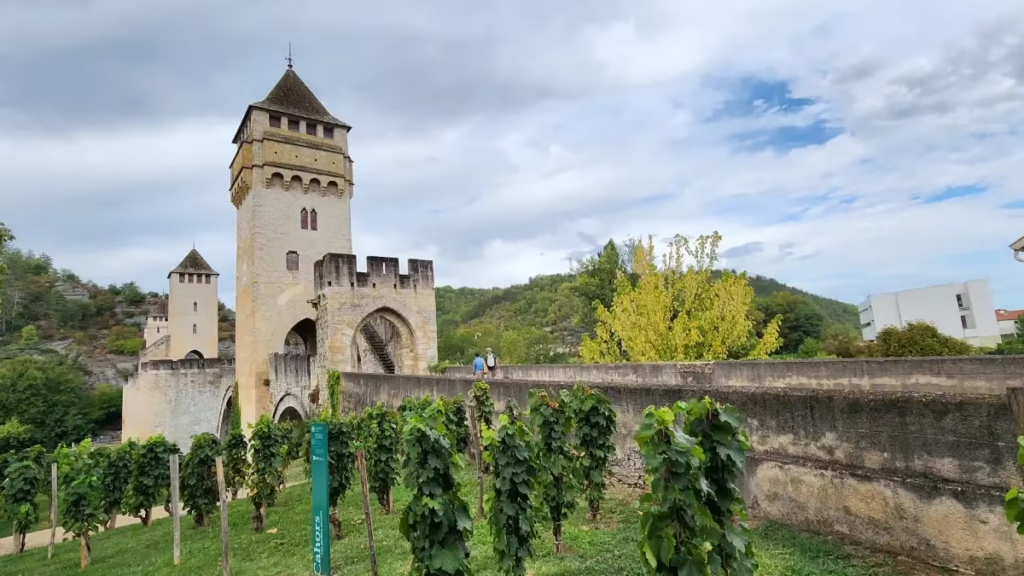
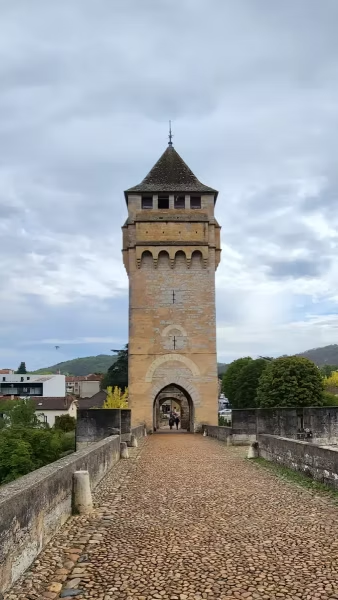
This prosperity funded the construction of its magnificent medieval architecture, including the iconic fortified Valentré Bridge, a masterpiece of medieval military engineering. Despite enduring conflicts during the Hundred Years’ War and the Wars of Religion, Cahors has preserved its intricate old-town streets, Romanesque heritage, and timeless charm, standing today as the vibrant capital of the Lot department.
City Essentials
- Best Time to Visit: Spring (May to June) and Autumn (September to October) offer pleasant, mild weather and wonderful opportunities to experience the wine harvest and colorful vineyard landscapes.
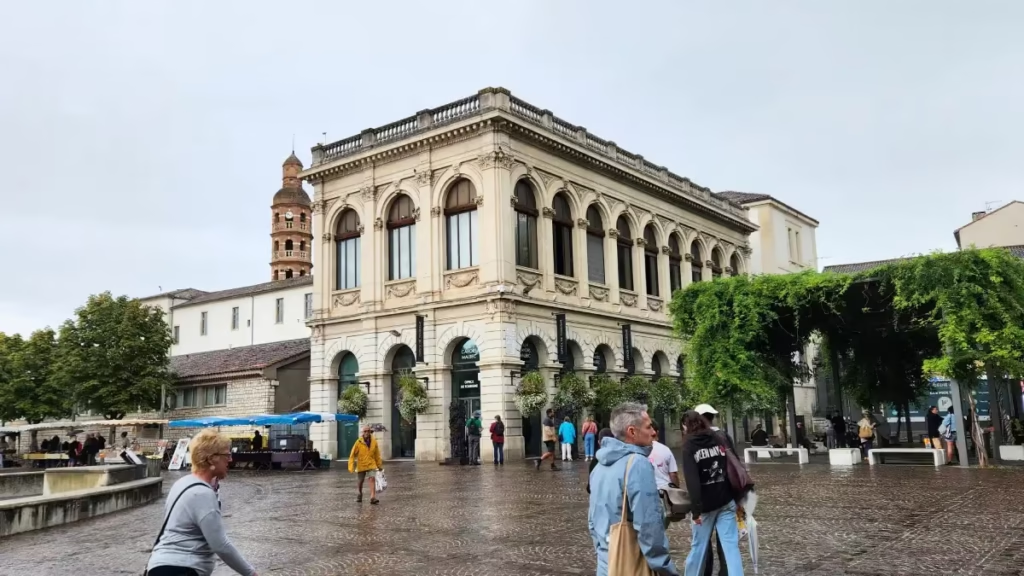
- Layout: The historic center of Cahors is tightly packed inside the loop of the Lot River, featuring pedestrianized medieval streets, bustling squares, and ancient quarters, surrounded by steep limestone cliffs.
- Tourist Office: Located right near the heart of the old town, offering comprehensive walking guides, regional wine route maps, and excursion advice.
Budget and Planning
- Daily Budget:
- Budget Traveler: €60 – €90 per day (staying in local guesthouses or hostels, enjoying bakery breakfasts, casual café lunches, or self-catering market finds).
- Mid-Range Traveler: €120 – €200 per day (comfortable boutique hotel, sit-down dinners at regional bistros, wine-tasting experiences, and paid site entries).
- Trip Duration: 5 days is the ideal duration to thoroughly explore the city’s monuments, taste local Malbec wines, and take day trips to nearby medieval villages and castles within a short drive.
Transportation and Public Transportation, How to Get There
- On Foot: The historic center of Cahors is entirely compact and pedestrian-friendly. Walking is the absolute best way to discover the narrow medieval lanes, hidden courtyards, and riverside paths.
- Public Transportation: The city is served by a local bus network (Plein Air) connecting outer districts, though most major attractions and sights are easily reached on foot.
- By Train: Cahors has a major railway station (Gare de Cahors) situated just south of the old town, offering direct, daily high-speed (TGV/Intercités) connections to Toulouse and Paris.
- By Car: Renting a car is highly recommended if you want to explore the surrounding vineyards, valley loops, and nearby cliffside villages within a one-hour drive. Cahors sits directly on the A20 motorway, roughly 1 hour and 15 minutes north of Toulouse and 2 hours south of Limoges.
What to Visit and What to Do
Pont Valentré:
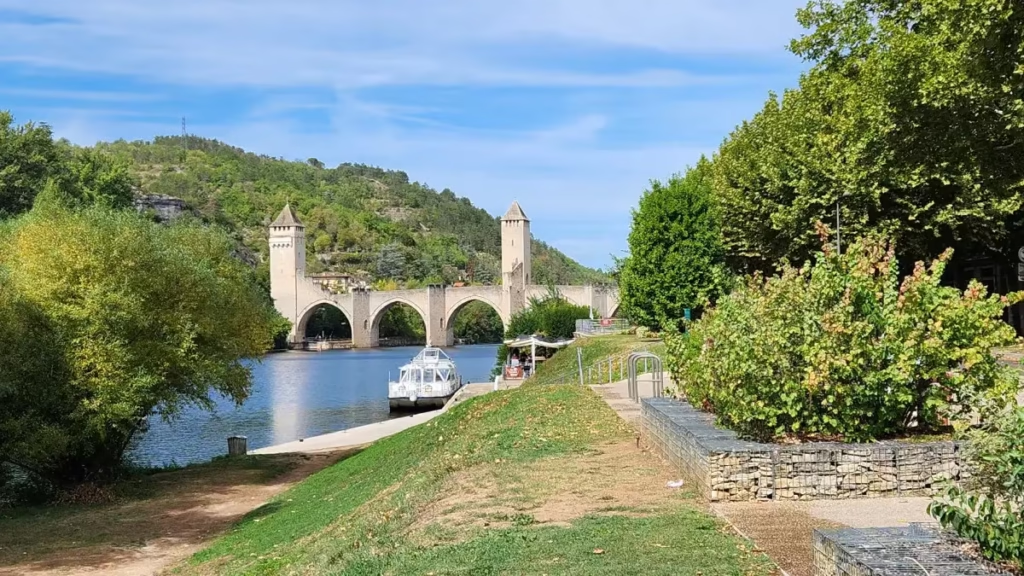
- Marvel at this 14th-century fortified medieval bridge featuring six Gothic arches and three massive defensive towers, a designated UNESCO World Heritage site as part of the Routes of Santiago de Compostela.
Cahors Cathedral (Cathédrale Saint-Étienne):
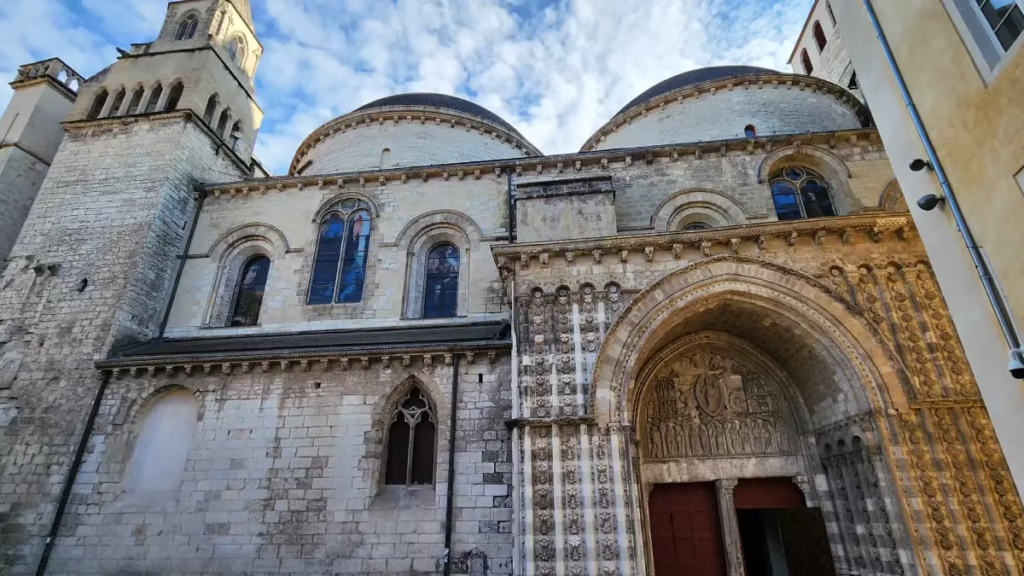
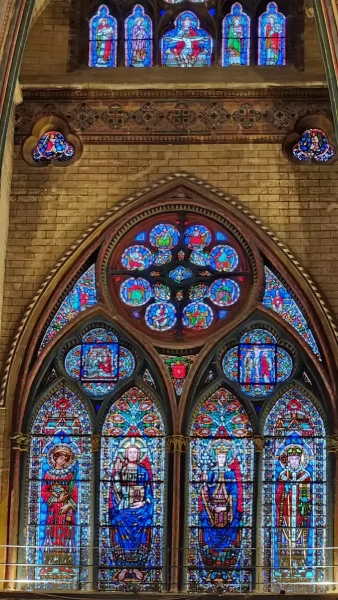
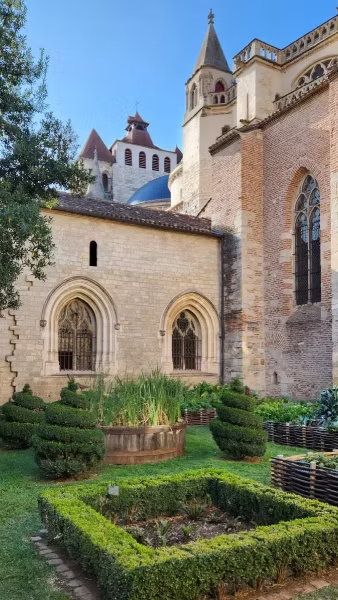
- Explore this fascinating cathedral showcasing a blend of Romanesque and Gothic architecture, highlighted by its magnificent sculpted portals and a peaceful 16th-century cloister.
The Old Town (Vieille Ville):
- Wander through the atmospheric medieval quarter, discovering timber-framed houses, hidden secret gardens (jardins secrets), and vibrant public squares like Place Chapou.
The Covered Market (Marché Couvert):
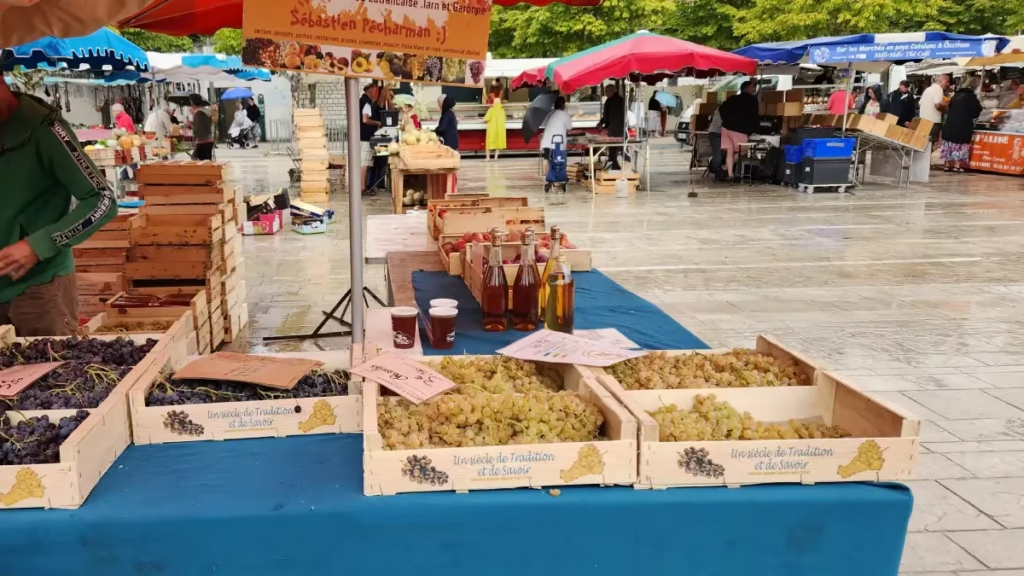
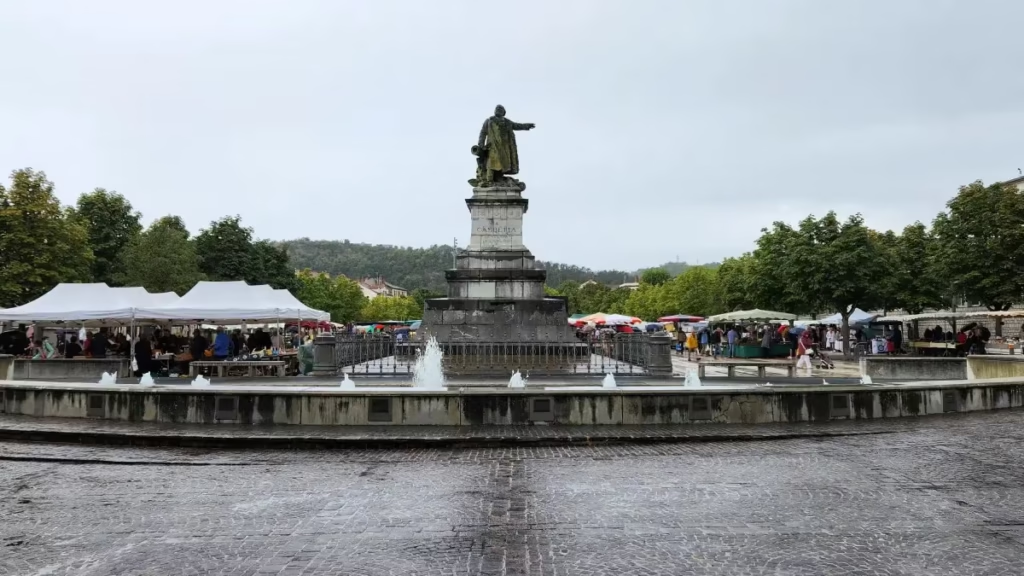
- Visit the lively market hall next to the cathedral to sample regional delicacies, fresh goat cheeses, walnuts, and local produce.
Vineyard Tours and Wine Tasting:
- Experience the legendary “Black Wine” of Cahors by visiting local wine estates (châteaux) to taste authentic Malbec-based wines.
Food with Some Restaurants Suggestion
Cahors and the surrounding Quercy region are a haven for gourmet lovers. Key culinary specialties include confit de canard, foie gras, walnuts, Quercy lamb, Rocamadour goat cheese, and rich, robust black truffles in winter, all perfectly paired with world-renowned Cahors Malbec wines.
Suggestions of Restaurants:
- Le Gindre de Houillon – A charming, highly regarded bistro in the old town serving creative regional dishes crafted from fresh local market ingredients.
- La Tomette – A cozy, welcoming spot offering traditional Quercy flavors and excellent regional wine pairings.
- Le Balandre – An upscale restaurant located in a historic hotel, offering refined gastronomic interpretations of southwestern French classics.
- L’Ô à la Bouche – A wonderful riverside dining choice known for its exquisite seasonal menus and warm, inviting atmosphere.



Itinerary Suggestion (5-Day Detailed Plan in Cahors and Around)
Day 1: Historic Heart of Cahors
- Morning: Arrive in Cahors, check into your accommodation, and begin your exploration at the iconic Pont Valentré. Walk across the bridge to admire its medieval defensive towers and take in the river views.
- Midday: Head into the historic old town (Vieille Ville). Enjoy a leisurely lunch at a terrace on Place Chapou, sampling a traditional salad with local duck or regional cheese.
- Afternoon: Visit the Cahors Cathedral (Cathédrale Saint-Étienne) to admire its unique domes and tranquil cloister. Afterward, spend a couple of hours hunting down the hidden Jardins Secrets scattered throughout the medieval streets.
- Evening: Dine at Le Gindre de Houillon in the old town, pairing your meal with a glass of robust local Malbec wine.
Day 2: Vineyards & Wine Tasting (Within 30 Mins Drive)
- Morning: Pick up your rental car and drive just 20 minutes west along the Lot Valley to Luzech, a picturesque village nestled inside another sharp river loop. Climb up to the medieval tower (Tour de Luzech) for panoramic views over the valley’s sprawling vineyards.
- Midday: Stop by a local wine estate (château) in the surrounding Cahors wine region (such as around Parnac or Luzech) for an estate tour and a guided tasting of authentic Malbec wines. Enjoy a picnic lunch or a casual bite nearby.
- Afternoon: Continue your scenic drive along the panoramic corniche road (Route de la Corniche), carved high into the limestone cliffs overlooking the Lot River, offering breathtaking vistas back toward Cahors.
- Evening: Return to Cahors and enjoy a relaxed dinner at La Tomette, sampling classic regional recipes.
Day 3: Saint-Cirq-Lapopie & The Lot Valley (45 Mins Drive)
- Morning: Drive 45 minutes east of Cahors along the stunning valley road to Saint-Cirq-Lapopie, widely celebrated as one of France’s most breathtaking cliffside medieval villages. Explore its steep pedestrian lanes, art galleries, and historic timber-framed houses.
- Midday: Hike up to the ruins of the cliff-top castle for sweeping views of the Lot River loop, then enjoy a traditional lunch at a village terrace like L’Auberge Saint-Cirq.
- Afternoon: Descend to the valley floor for a peaceful walk along the historic Towpath (Chemin de Halage) carved directly into the rock face along the water’s edge.
- Evening: Head back to Cahors for a relaxing evening and dinner at L’Ô à la Bouche, enjoying a table overlooking the river.
Day 4: Cave Explorations & Limestone Plateaus (Within 45 Mins Drive)
- Morning: Drive 40 minutes north toward the limestone plateaus of the Quercy region to visit the spectacular Pech Merle Cave (Grotte du Pech Merle), located near Cabrerets. This is one of the few prehistoric caves in France featuring authentic, awe-inspiring cave paintings and handprints dating back over 25,000 years (advance booking required).
- Midday: Explore the charming surrounding village of Cabrerets and enjoy a casual lunch featuring local products at a countryside café.
- Afternoon: On your drive back toward Cahors, stop to visit the impressive medieval village of Saint-Géry or explore tranquil hiking paths along the Célé River valley.
- Evening: Dine at a traditional bistro in Cahors, trying regional specialties like cassoulet or local duck dishes.
Day 5: Markets & Scenic River Cruising
- Morning: Spend your final morning browsing the vibrant Cahors Covered Market and outdoor stalls (especially lively on Wednesday and Saturday mornings) to pick up local culinary souvenirs such as walnuts, regional saffron, Rocamadour cheese, and bottles of Cahors Malbec.
- Midday: Board a traditional tourist boat or rent an electric river boat from the Cahors marina for a relaxing cruise on the Lot River, passing beneath the soaring cliffs and through the city’s historic locks.
- Afternoon: Enjoy a final leisurely lunch at a riverside café, taking in your last views of the city before checking out and concluding your 5-day journey.
Discover more from planetgateaway.com
Subscribe to get the latest posts sent to your email.
2 Responses