
Table of Contents
ToggleHuahine: The Authentic Garden of Eden
Huahine:
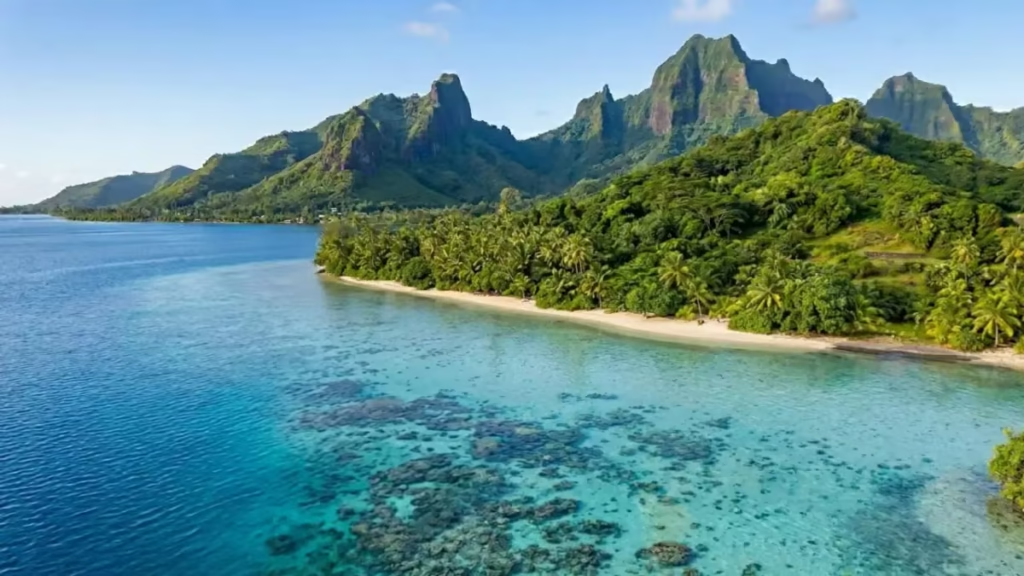
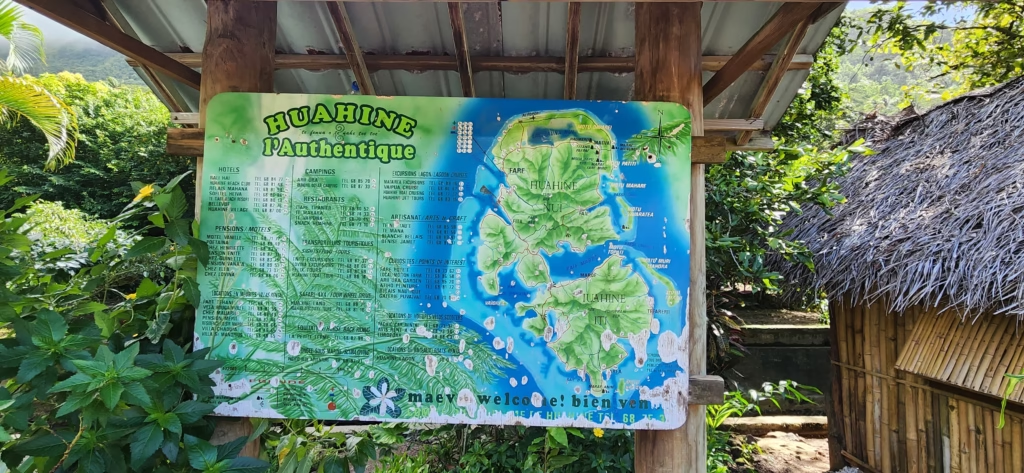
Huahine, often called the “Garden Island” or the “Secret Island,” is widely considered the most culturally preserved island in the Society Islands. Its history is deeply tied to its status as the ancestral home of Tahitian royalty. Geographically, it is actually two islands—Huahine Nui (Big Huahine) and Huahine Iti (Little Huahine)—separated by a narrow channel and connected by a bridge.
Here is a look at the history, geography, and logistics for the top sites on this lush, authentic island.
Geography & History: The Wild Soul
Geography:
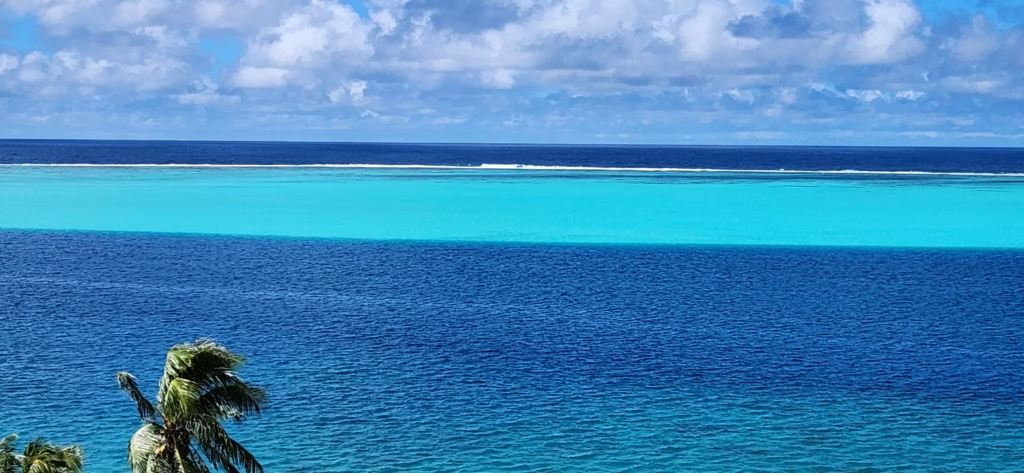
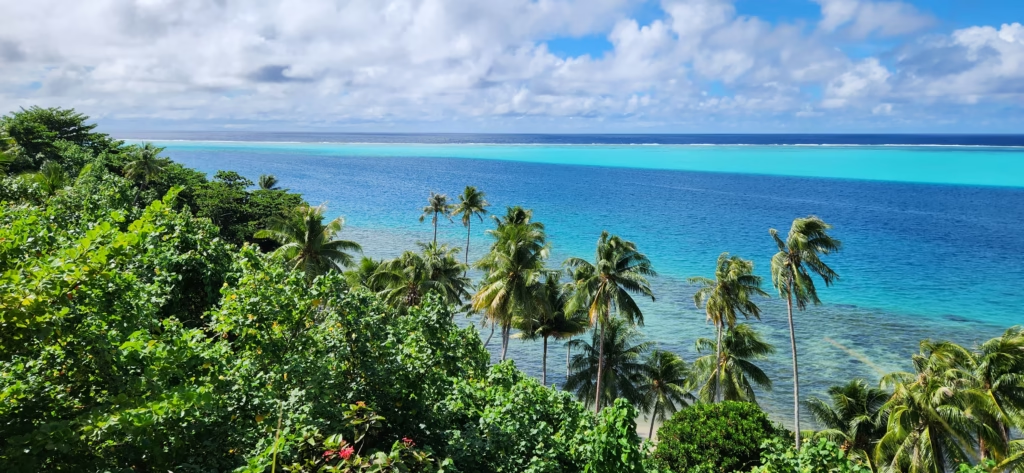
Huahine is actually two islands, Huahine Nui (Big) and Huahine Iti (Little), joined by a short bridge. It is lush, mountainous, and surrounded by a vibrant coral reef.
History:
Known as the “Island of the Woman,” Huahine has the highest concentration of Marae (ancient stone temples) in Polynesia, particularly around the village of Maeva.
Travel Essentials
- How to Get There:A 40-minute flight from Tahiti (PPT) or Raiatea via Air Tahiti.
The flight from Moorea to Huahine takes about 35 minutes, and this trip was fully included in my Air Tahiti inter-island pass.
- Best Time:May to October (Dry Season).
- Transportation:
Huahine is divided into two parts connected by a bridge; it’s quiet, and transportation is more limited.
There is no reliable public transportation system on Huahine.
Most visitors rent a car or scooter for at least one day to visit the Maeva Marae and the blue-eyed eels.
Even though the island feels small, Huahine Nui’s main loop is about 25 kilometers and Huahine Iti is about 20 kilometers, so renting a car is your best bet. If you are blessed with beautiful weather, renting a scooter is a viable option, though you should be prepared for a few very steep hills.
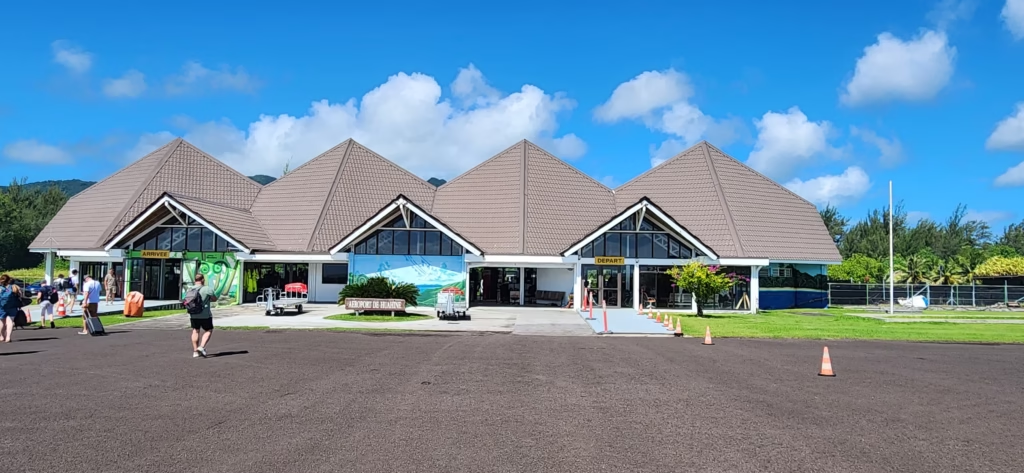
For car rentals, I highly recommend Andrea Car Rental. It cost XFP 6,000 a day (US$60) with absolutely no deposit required. The owners are a wonderful couple who delivered the car directly to the airport and picked it up there on the day I left. They truly represent the legendary kindness of the Polynesian people; upon my arrival at the Huahine airport, they were waiting for me with a beautiful, fragrant Tiare flower necklace.
If you really want to take your time to properly visit, explore, and enjoy the island and its beaches, 2 days is the perfect amount of time.
- Car/Scooter Rental: Most visitors rent a car or scooter for at least one day to visit the Maeva Marae and the blue-eyed eels.
- Bicycles (Electric & Manual): This is the best island for cycling. The terrain is relatively flat around Fare, and electric bikes make the bridge crossing between the two islands easy.
- Boat Rental: Since many attractions (like the pearl farm and Hana Iti beach) are water-access only, renting a small motorboat (no license required) is a popular “local” way to explore.
- Budget:* Accommodation: $150–$250 USD/night.
- Daily Budget:$100–$140 USD.
- Food Budget:$50–$70 USD (Visit the local market in Fare!).
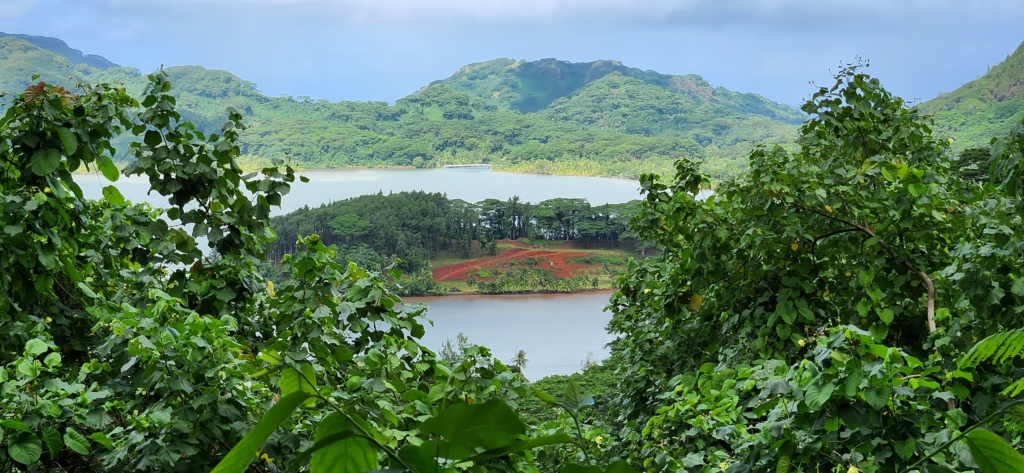
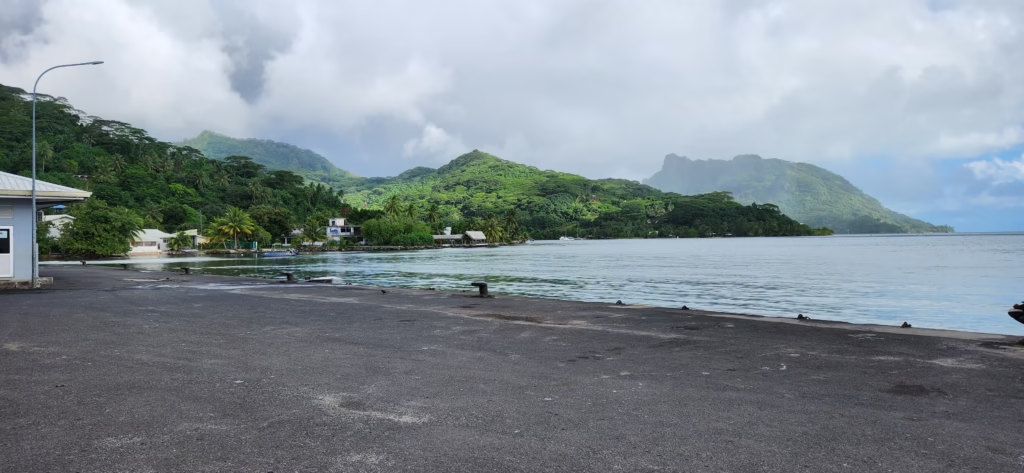
Huahine is an incredibly beautiful destination; after Bora Bora, this is easily my favorite island. It feels very wild, filled with lush flowers and breathtaking scenic views as you drive around. In the Polynesian language, “Huahine” translates to “pregnant woman.” In fact, when you stand in Fare, the main town, and look across the water, you can see the silhouette of a woman in the mountain range: her head is on the right, followed by her breast, her belly in the center, and her feet on the far left.
What to Do & Top Attractions
- Maeva Marae:Explore over 30 ancient archaeological sites.
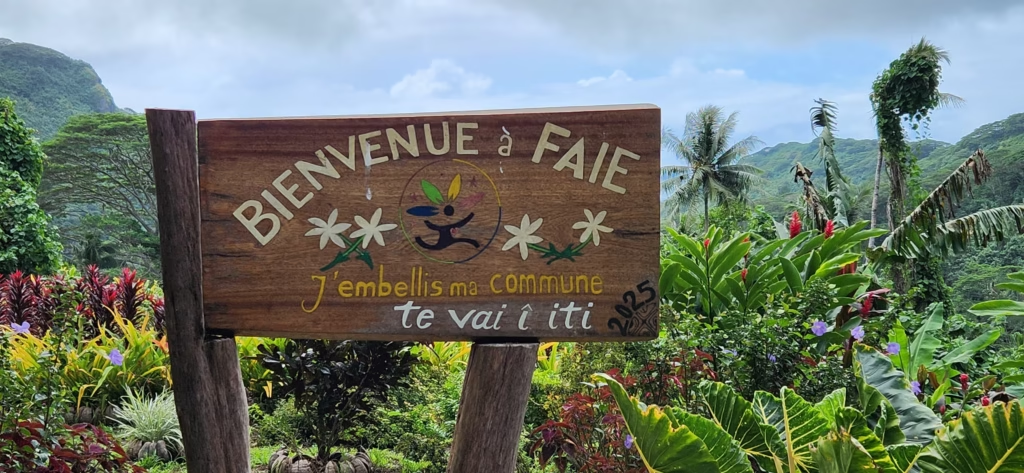
- Sacred Blue-Eyed Eels:Located in the village of Faie; feeding them is a local tradition.
- Fare Village:The charming main town with a great beach and relaxed waterfront.
- Pearl Farm & Pottery:Reachable only by boat in the middle of the lagoon.
Maeva Marae (Archaeological Zone)
- History: Maeva was the seat of royal power on Huahine. Unlike other islands where chiefs ruled separate districts, all of Huahine’s eight chiefdoms lived together in Maeva. This led to a massive concentration of over 30 marae (stone temples). The Fare Pote’e (community house) on-site serves as a museum displaying artifacts like whalebone “patus” (clubs) found during excavations.
- Geography: Located at the base of Mount Mouatapu along the shores of Lake Fauna Nui. The site transitions from the mountain slopes down to the water’s edge.
- How to Get There: It is about a 15-minute drive or a pleasant bike ride north from the main town of Fare.
Fare Village
- History: Fare has managed to escape the heavy development seen in other parts of the Pacific. It remains a classic South Seas trading port where the arrival of the weekly supply ship is still a major social event.
- Geography: Situated on the northwestern coast, Fare is nestled between a backdrop of green mountains and a wide, sandy beach that leads into a reef-protected lagoon.
- How to Get There: This is the entry point for most travelers, located just minutes from the Huahine airport. It is the hub for all grocery stores, banks, and bike rentals.
The main town of Fare is very small, but despite its modest size, i features a surprisingly large supermarket called Super U.
Food in Huahine,
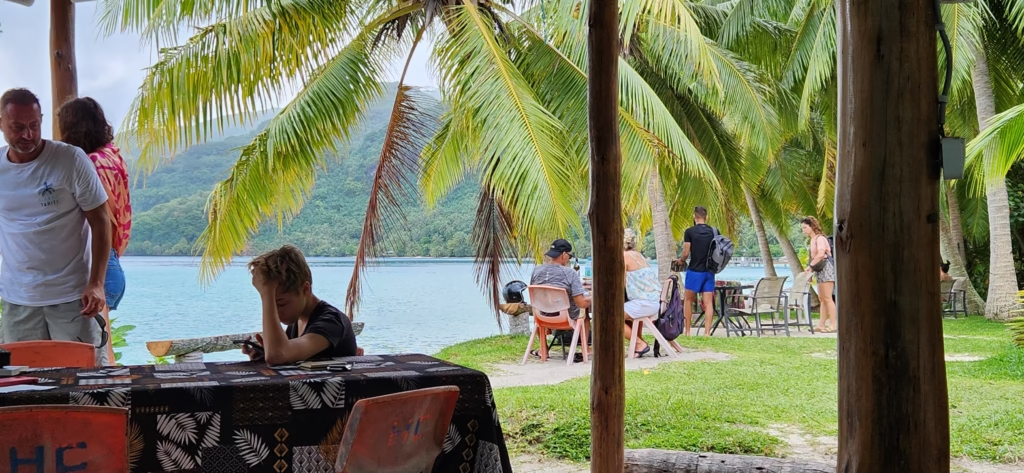
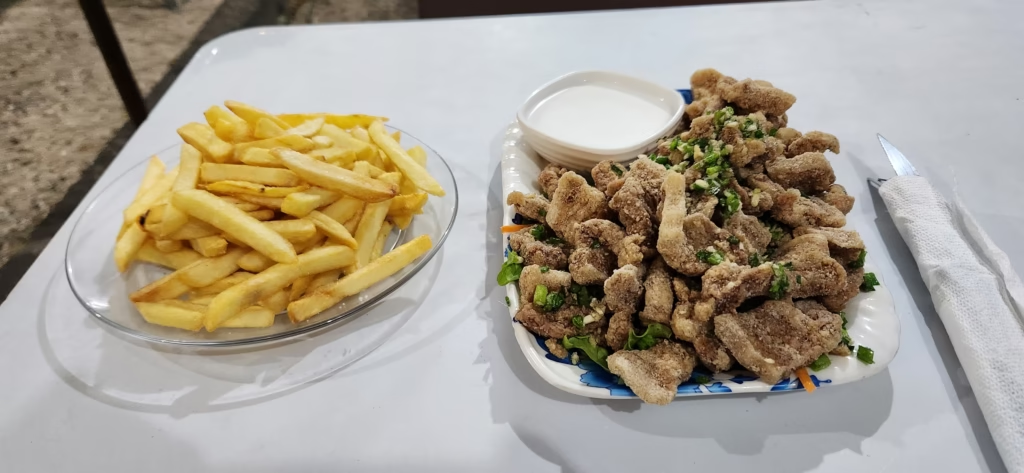
there are a few great restaurants in Fare, including Le Dauphin and the Yacht Club.
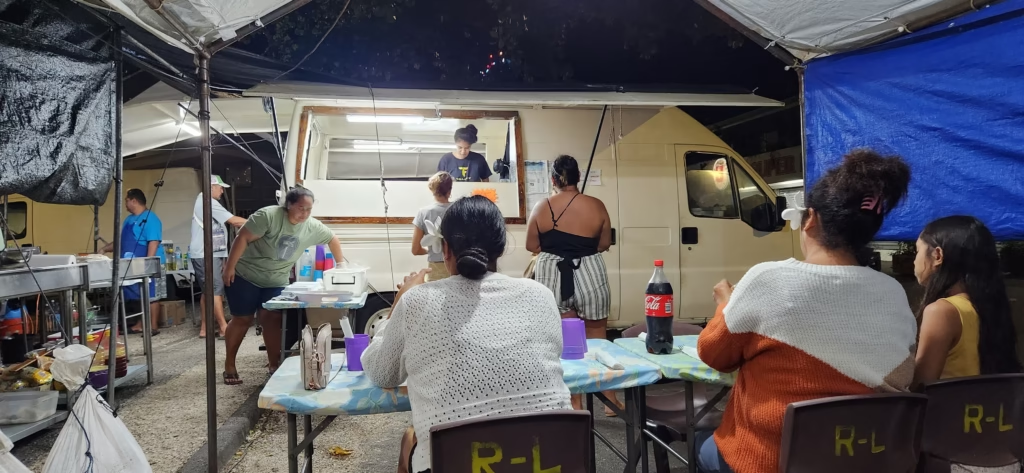
There are also several food trucks (known locally as roulottes), especially in the evening.
During the daytime, the local snack bars serve an absolutely delicious, fresh Tahitian-style raw tuna (Poisson Cru).
Huahine Pearl Farm & Pottery
- History: This unique facility combines two of the island’s artistic exports. The pottery is particularly interesting because the glazes are made from the sediment found at the bottom of the lagoon, resulting in colors unique to Huahine.
- Geography: The farm is a wooden structure built on stilts in the middle of the lagoon, between the two islands.
- How to Get There: It is only reachable by boat. The farm operates a free shuttle boat from the village of Faie. You simply wait at the designated pier, and the shuttle will pick you up.
The Sacred Blue-Eyed Eels of Faie
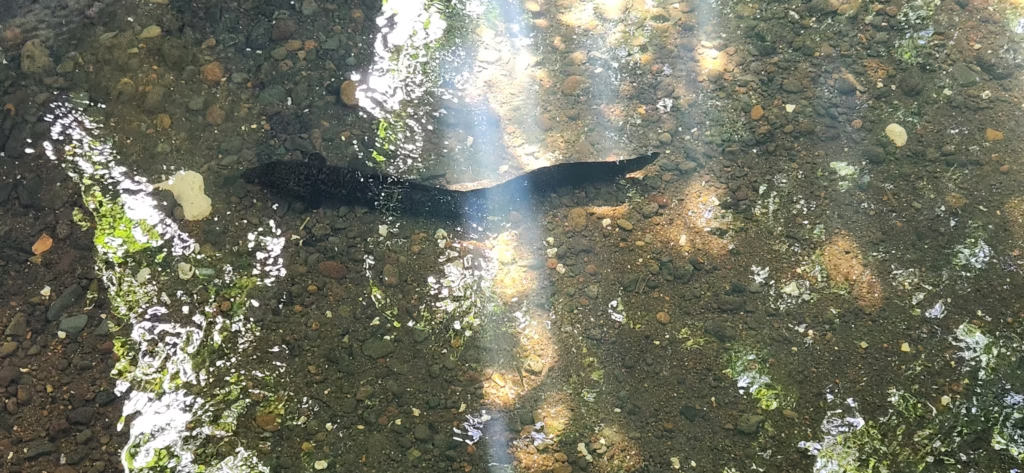
- History: In Polynesian mythology, eels are often seen as the embodiment of freshwater spirits. These specific eels, which grow up to 6 feet long and have striking cerulean blue eyes, are considered “tapu” (sacred) by the villagers. They are believed to be the guardians of the local stream.
- Geography: They live in a shallow, freshwater stream that runs through the middle of Faie Village, fed by the mountains above.
- How to Get There: Faie is on the eastern side of Huahine Nui. You can reach it via a rental car or scooter on the main circle-island road. Most visitors buy a small tin of mackerel from a nearby stand to feed them.
The Ancient Stone Fish Weirs (V-Traps)
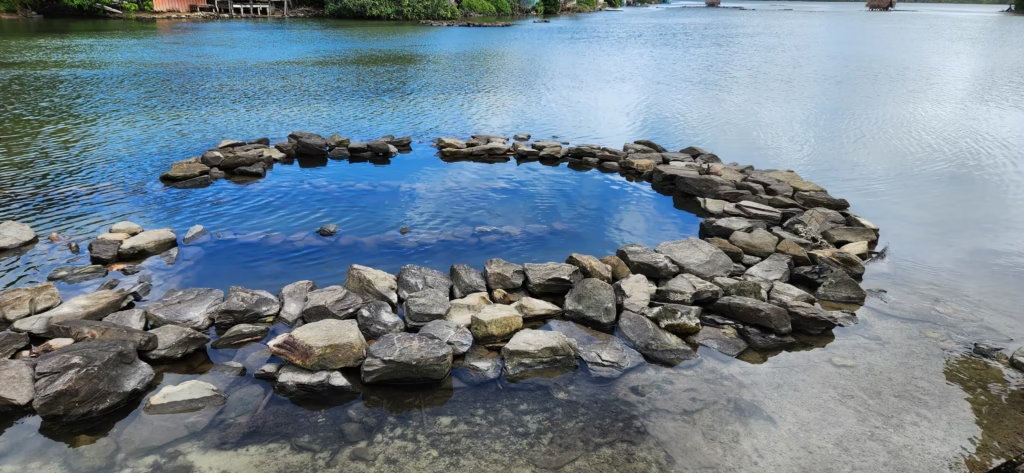
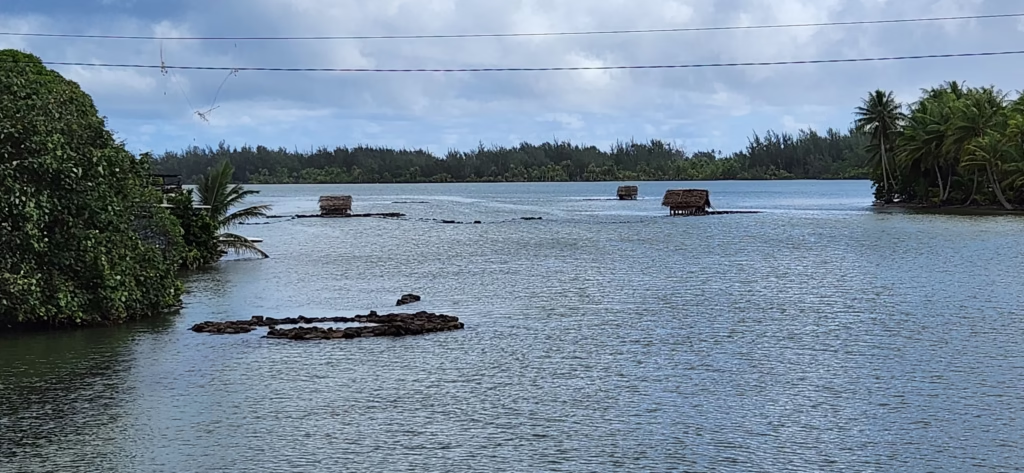
History: These V-shaped stone structures in the Maeva channel are over 400 years old and are still in use today. They were designed by ancient Polynesians to trap fish using the natural movement of the tides. Touching the stones is forbidden as they are protected historical monuments.
Geography: Located in the narrow channel of Lake Fauna Nui, where the water flows rapidly toward the sea.
How to Get There: They are located right in the water near the Maeva Marae site. You can view them clearly from the bridge in Maeva.
Hana Iti Beach
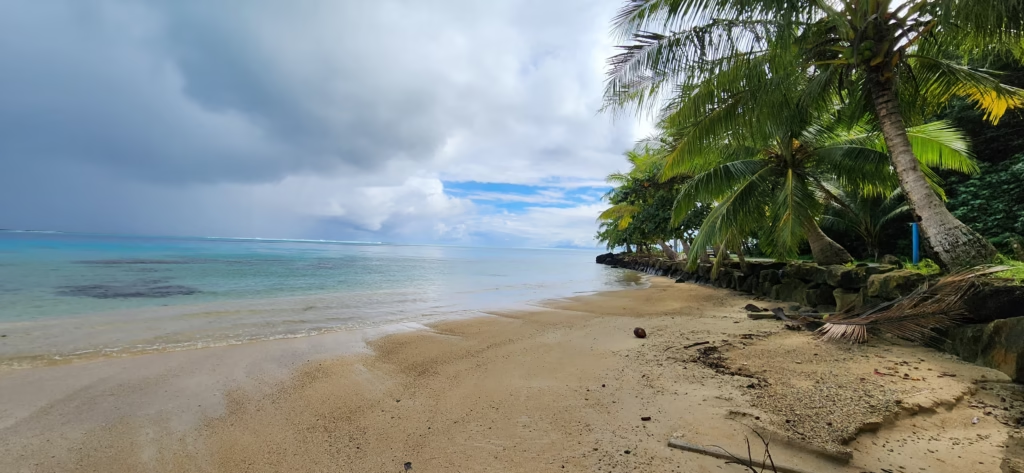
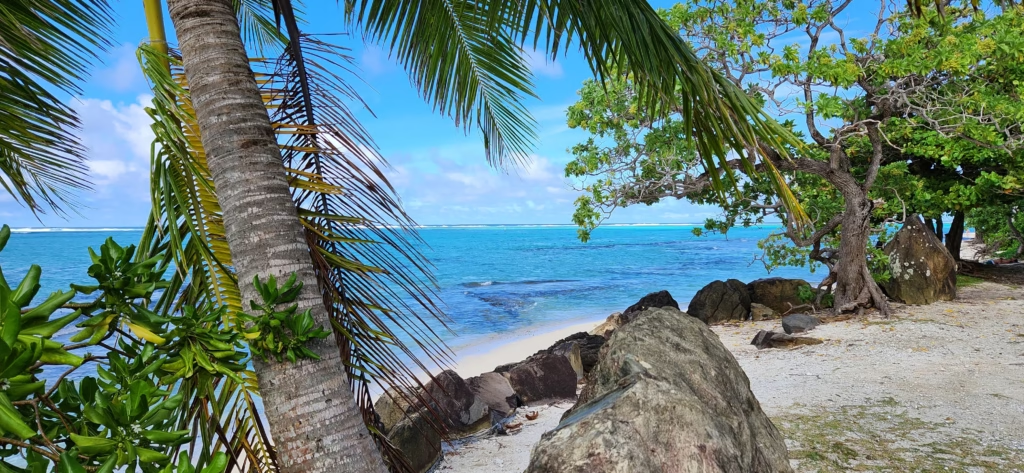
- History: This secluded cove was once the site of a very exclusive luxury hotel that was destroyed by a cyclone in the 1990s. Today, nature has reclaimed the land, making it one of the most beautiful “hidden” beaches in the world.
- Geography: A crescent-shaped white sand beach backed by a steep jungle wall. The water here is incredibly calm and perfect for snorkeling.
- How to Get There: There is no road access. You must reach it by boat or by renting a kayak from one of the nearby resorts on Huahine Iti.
Belvedere Lookout (Huahine)
- History: While Moorea has the most famous Belvedere, Huahine’s offers a more rugged, “untouched” perspective of the Pacific.
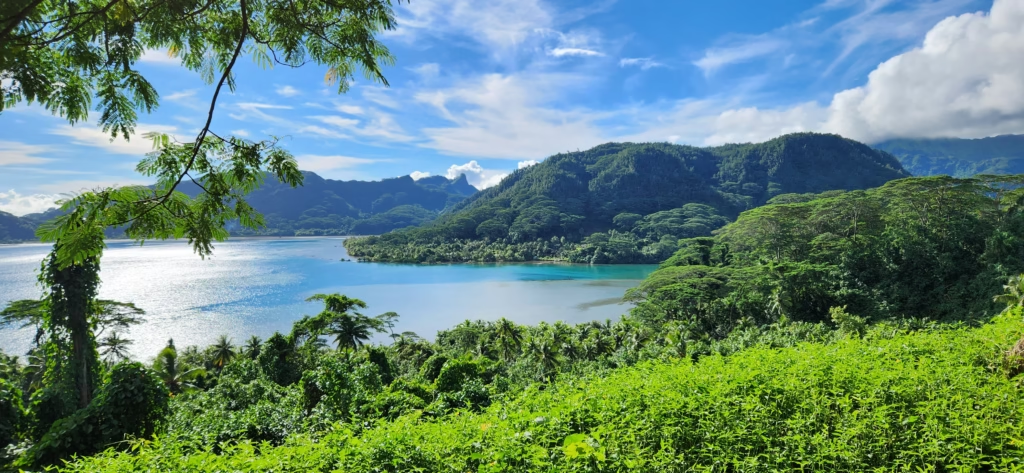
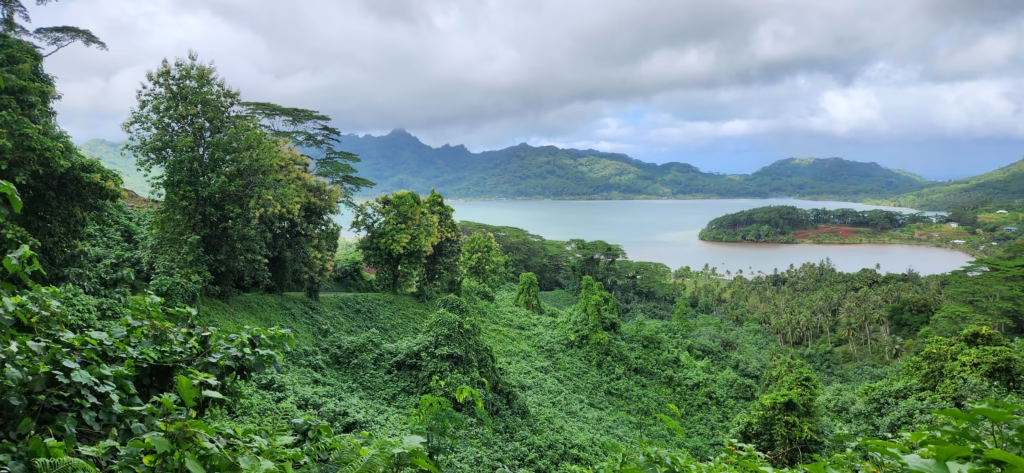
- Geography: A high-altitude clearing on the road between Faie and Maroe. It offers a panoramic view of Maroe Bay and the bridge connecting the two islands.
- How to Get There: You will pass this naturally if you are driving the circle-island route from the Eel village toward the southern part of the island. It is a steep climb, so ensure your scooter or car has enough power.
Suggestion of Itineraries (3, 4, 5 Days)
- 3 Days:Day 1: Explore Fare and Maeva. Day 2: Boat lagoon tour. Day 3: Scenic drive around Huahine Iti.
- 4 Days:Add Day 4: Hiking Mount Pu’urau for panoramic views.
- 5 Days:Add Day 5: Deep-sea fishing or a traditional outrigger canoe workshop.
Discover more from planetgateaway.com
Subscribe to get the latest posts sent to your email.